

女女性愛怎麼玩

Lesbian Sex Guide for Women: Foreplay, Communication, and Toy Tips

Written by HHCOM founder Joe

|

Brand Positioning: FemTech Pleasure & Wellness for Women

What This Article Covers in 30 Seconds

Who this is for: Women who want to understand how women have sex with women, how lesbian sex can begin, and how foreplay, touch, toys, and lubricant can work together.

Key idea: There is no single correct way for women to have sex with women. The most important things are communication, trust, comfort, and discovering what feels genuinely good for both of you.

Inside this article: Common ways women enjoy intimacy together, foreplay tips, how to start lesbian sex for the first time, how to use pleasure toys, and answers to common questions.

Many people search questions like “How do women have sex with women?” or “What do lesbians do in bed?” The honest answer is that there is no single script. Lesbian sex is not about following a fixed routine. It is about communication, trust, curiosity, and finding what feels comfortable and pleasurable for both partners.

Hi, I’m Joe, founder of HHCOM. HHCOM is a Taiwan-based FemTech pleasure and wellness brand that believes women deserve intimacy that feels safe, thoughtful, and beautifully designed around their real needs.

Sex between women can include kissing, cuddling, touching, oral sex, body-to-body rubbing, and pleasure toys. What matters most is not trying to imitate someone else’s idea of sex, but creating a shared experience where both people feel relaxed, respected, and genuinely connected.

Joe’s View from HHCOM

One of the most beautiful things about lesbian sex is that it is often less about performance and more about sensitivity. Eye contact, breathing, foreplay, and soft touch can shape pleasure just as much as any specific technique.

How Do Women Have Sex With Women? 5 Common Ways to Explore Pleasure

1|Kissing, cuddling, and full-body touch

Foreplay is not just preparation. For many women, it is one of the most important parts of sex itself. Kissing, hugging, touching the neck, stroking the back, waist, chest, and inner thighs can all help build comfort, anticipation, and intimacy.

Many women respond better to gentle, steady touch than to fast or intense stimulation right away. Slowing down often creates deeper trust and stronger arousal.

2|Touching with the hands and learning each other’s rhythm

Hand stimulation is one of the most natural and common forms of lesbian sex. The key is not just speed or pressure, but paying attention. Watching your partner’s breathing, body language, and reactions matters more than trying to perform perfectly.

Starting from the outer areas and moving in slowly can help both partners feel more relaxed and more connected.

3|Oral sex and detailed sensory pleasure

Oral sex is often part of sex between women because it creates a very intimate mix of warmth, breath, rhythm, and responsiveness. It can feel especially connected when both partners are fully present.

Good oral sex is rarely about rushing. It is more about consistency, patience, and noticing what your partner actually enjoys.

4|Body rubbing and skin-to-skin closeness

Not every sexual experience between women needs fingers or toys. Many women enjoy rubbing bodies together, feeling pressure, warmth, and movement through close physical contact.

This can be one of the most emotionally intimate and low-pressure ways to connect, especially during first-time lesbian sex.

5|Using pleasure toys together

Lesbian sex can absolutely include toys. Quiet vibrators, suction toys, and dual-stimulation designs can make pleasure feel more varied, more comfortable, and more playful.

Toys do not replace either partner. Instead, they support exploration and help both women discover what kind of touch and rhythm feel best.

First-Time Lesbian Sex: 4 Things to Remember

The biggest first-time fear is usually not “Can I do this?” but “What if I do it wrong?” The truth is that intimacy is not a test. There is no perfect way to begin sex between women.

1|Talk before you start

Some women prefer a slower pace. Some dislike certain types of touch. Some want more kissing and emotional buildup. Talking openly makes first-time lesbian sex feel much safer and more natural.

2|Spend more time on foreplay

Kissing, cuddling, massage, soft words, and slower touch can make a huge difference. Many women need more time to relax fully and enjoy sex comfortably.

3|Watch your partner’s reactions

Online advice can help, but every body is different. Breathing, facial expressions, movement, and whether your partner leans in or pulls back will tell you much more than any script.

4|Do not make orgasm the only goal

If your first experience feels warm, intimate, safe, and emotionally close, that already matters. Great sex is not only about climax. Less pressure often leads to more pleasure.

A gentle reminder:

The most important part of lesbian sex is not performance. It is feeling safe enough to be honest, relaxed, and fully present with each other.

Best Pleasure Toys for Lesbian Sex|HHCOM Cloud Snow

For many women, toys are not something “advanced.” They can simply make intimacy easier, softer, and more enjoyable. HHCOM Cloud Snow is designed to feel approachable, gentle, and women-centered, making it a natural choice for couples exploring lesbian sex together.
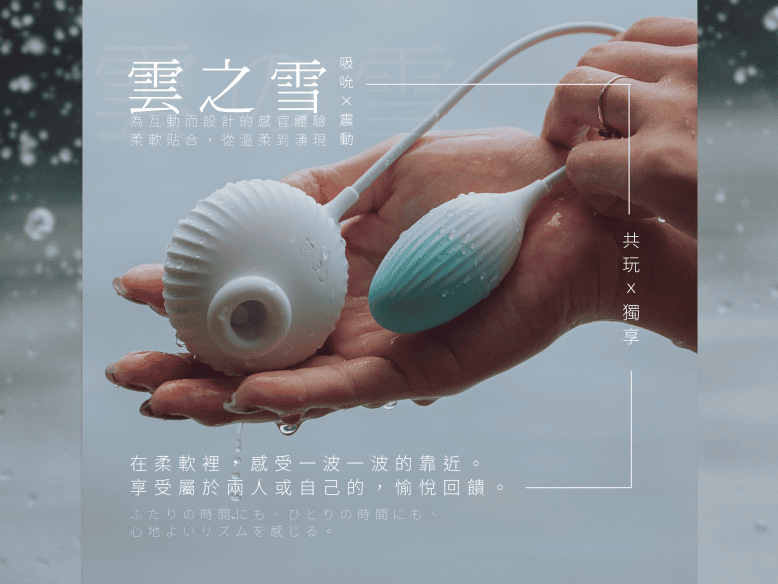
HHCOM Cloud Snow
HHCOM Cloud Snow

Best for foreplay: small external stimulation toys

If you want to begin in a soft, low-pressure way, small external stimulation toys are a great option. They can be used around the inner thighs, chest, waist, and vulva area to build comfort and arousal gradually.

Best for shared spaces: quiet vibrators

If sound makes it harder to relax, a quiet vibrator can make sex between women feel much more natural and comfortable. When you are not worrying about noise, it becomes easier to enjoy the moment.

Best for layered pleasure: suction or dual-stimulation toys

If one partner enjoys more focused external pleasure, suction toys or dual-stimulation designs can add variety, intensity, and a more playful sense of exploration.

Lubricant matters too

We recommend HHCOM Tea Tree Lubricant.
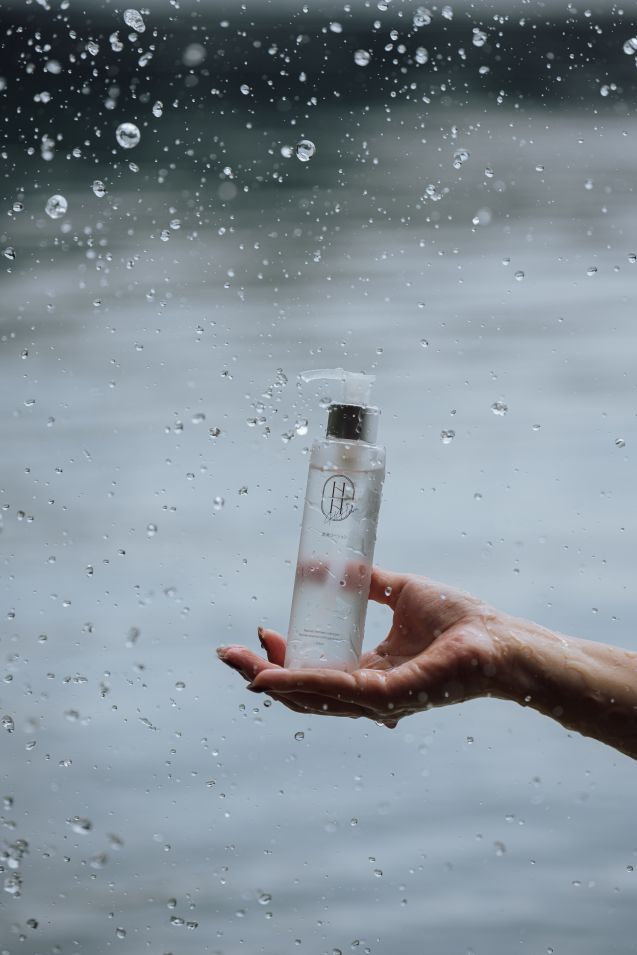
HHCOM Tea Tree Lubricant

Whether you are using your hands, enjoying oral play, or pairing lubricant with silicone toys, a good water-based lubricant can make lesbian sex feel smoother, softer, and more comfortable from start to finish.

Common Q&A About Women Having Sex With Women

Q1|Do women need toys to have sex with women?

Not at all. Kissing, touching, oral sex, cuddling, and body contact can all be deeply satisfying on their own. Toys are simply one option, not a requirement.

Q2|Will first-time lesbian sex feel awkward if I do not know what to do?

Almost everyone feels nervous at first. What matters most is not perfection. It is being open, checking in, and moving at a pace that feels safe for both people.

Q3|Is it easier for women to orgasm with women?

Not always, but many women feel more understood and more relaxed with another woman, which can support pleasure. Still, every person’s preferences are different, so communication matters most.

Q4|Can women use vibrators together during lesbian sex?

Absolutely. Women-centered designs like HHCOM products often feel more natural, softer, and easier to integrate into shared intimacy.

Q5|Does hygiene still matter in sex between women?

Yes. Clean hands, properly washed toys, and using barriers when needed are all important parts of safer, more comfortable intimacy.

Sex Between Women Is Not About Performing — It Is About Discovering What Feels Good Together

There is no single correct way for women to have sex with women. Some people love slow touch. Some enjoy long foreplay. Some like the extra dimension that toys can bring. What matters most is not matching anyone else’s idea of sex, but building an experience that feels safe, exciting, and real for both of you.

When intimacy stops being a performance and becomes a conversation between two bodies, it often becomes more honest, more relaxed, and much more pleasurable.

If you want to begin gently, you can start with women-centered quiet toys and water-based lubricant, then discover your own rhythm together.

Discover a More Comfortable Kind of Intimacy Together

From gentle foreplay and quiet toys to water-based lubricant, make sex between women feel softer, safer, and genuinely enjoyable.

Browse the Collection

Explore HHCOM pleasure tools designed for women.

Shop Now

Read More Wellness Articles

Learn more about FemTech, intimacy, and body awareness.

Read Articles

Explore Lubricants

Pair foreplay, touch, and toys with a smoother water-based lubricant.

Learn More

Similar Posts

  • | | | |

    Soft Hydration with Hyaluronic AcidA Lubricant Infused with Herbal Tea Tree Essential Oil

    How Do You Choose the Safest Lubricant?
    Gentle Protection with SGS Certification and Natural Botanicals

    Have you ever carefully studied the ingredients in your facial serum, yet overlooked the most delicate and absorbent intimate skin on your body?
    At HHCOM, we believe that a lubricant should be more than a supporting product—it should be the “intimate serum” within your daily self-care ritual.

    True Dedication Lies in What Cannot Be Seen
    Our Promise Through Rigorous Quality Testing

    The more intimate the product, the higher the standard of care it deserves.
    Many products on the market pursue a smoother texture by adding excessive chemical thickeners, which can easily disrupt the delicate pH balance of intimate skin.

    At HHCOM, we believe in returning to purity.
    Our herbal lubricant collection is inspired by the concept of botanical care. By carefully selecting plant-derived ingredients, we create a natural moisture that feels harmonious with the female body.

    With every use, it gently relieves dryness while delivering deep hydration, as if giving intimate skin a full drink of water.
    Each moment of closeness is transformed into a soothing, spa-like ritual—soft, comforting, and quietly restorative.

    Redefined: Not Only Lubrication, but a Ritual of Care

    We deeply believe that the more intimate a product is, the higher the standard of care it must uphold.
    All liquid products in the HHCOM collection undergo rigorous third-party testing, including SGS certification, to ensure they are free from heavy metal residue and harmful microorganisms.

    We are also committed to full ingredient transparency, because we believe that only when consumers feel absolute safety and peace of mind can they truly surrender to a moment of healing, comfort, and release for both body and mind.

    To choose HHCOM is to choose the purest way to care for every inch of your skin with tenderness and intention.

  • |

    The Origin Story of a Pleasure Product: How It Quietly Changed the History of Women’s Pleasure

    Reviewed by the HHcom Editorial Team

    |

    Last updated: 2026-05-04

    30-Second Summary: The Origins of Pleasure Products and Women’s Pleasure History

    Who this is for: Anyone interested in the history of women’s pleasure products, women’s pleasure culture, the evolution of FemTech, and HHcom’s brand perspective.

    Core idea: This is not just a story about product evolution. It is a cultural shift in which women gradually moved from being passively defined to reclaiming ownership of their own bodies.

    Reading note: What matters most in the origin story of pleasure products is not who invented them first, but how they slowly changed the way women understand pleasure, health, and self-care.

    If you are searching today for recommended pleasure products, women’s massagers, suction toys, or FemTech-related items, what you see is already part of a relatively open era: products have design value, brands talk about women’s health, and even intimate care and body exploration are being placed in a more natural and open context. But none of this was inevitable. Behind every women’s pleasure product is not just a product story, but a long cultural shift. From being medicalized, misunderstood, and too taboo to talk about, to a point where women can now speak more openly about pleasure, comfort, and self-care, this journey has taken a long time. If you want to look back at how women’s pleasure culture has evolved through the lens of contemporary products, you can also explore the HHcom full collection and rethink how women’s products have been defined through design, materials, and brand language. HHCOM Yun Zhi Shan Cloud Wand

    The real beginning of a pleasure product origin story is not the product itself, but how women’s bodies were understood

    When people hear “the origin of pleasure products,” they often want to know what the earliest product looked like, who invented it, and in which era it appeared. But when we widen the lens, it becomes clear that the true beginning of this story is not a single object, but how society viewed women’s bodies, women’s desire, and whether women were allowed to speak for their own sensations.

    For a long time, women’s pleasure was not seen as a need worthy of being understood. It was often misread as an emotional issue, a health issue, or even a moral issue. When a society cannot openly understand women’s bodies, it also cannot easily accept products created for women. That is why the origin of pleasure products is not simply a technical origin story. It is the point at which women’s needs finally started to become visible.

    In other words, the birth of a pleasure product may look like product design on the surface, but at a deeper level it is a cultural signal: women’s feelings were finally beginning to be acknowledged, discussed, and returned to their own lives.

    HHcom Editorial View

    For HHcom, women’s products are not first understood through “stimulation.” They begin with a more fundamental question: do women have the right to understand themselves? Without that shift, even the most refined product remains surface-level. What truly matters is whether it helps women move closer to their own bodies and feelings.

    How was women’s pleasure once understood? From medicalization and misunderstanding to being renamed

    Women’s pleasure history is worth discussing because for a long time it was not even treated as “pleasure.” Instead, it was packaged under other names. What matters here is not just historical detail, but how language shaped the way women understood themselves. When a feeling cannot be properly named, it is easily defined by someone else.

    In earlier times, many needs related to women’s pleasure, bodily comfort, and release were not discussed in terms of “women have the right to pursue pleasure.” Instead, they were placed in frameworks of medicine, emotion, stress relief, or correction. That naming placed a layer of outside judgment between women and their own bodies. A woman could feel something, but might not be able to say what it was. She might need care, but might not be allowed to call it a need.

    Pleasure products later became important in changing women’s pleasure history not only because they provided tools, but because they slowly turned “women’s joy” from something described indirectly into something women could speak about directly. That shift in language is in many ways deeper than the product itself.

    Reading Note:

    Understanding women’s pleasure history does not require memorizing every date or term. What matters most is seeing that women’s feelings were named by others for a long time, and that renaming one’s own needs today is itself a meaningful transformation.

    How did pleasure products change women’s pleasure history? Not because they were novel, but because they returned agency to women

    When we talk about changing women’s pleasure history, we are not talking about a product suddenly appearing. We are talking about a change in who gets to decide how women understand their own bodies. When a product no longer exists only inside the frameworks of shame, secrecy, medicine, or curiosity, but becomes a tool women can actively choose, actively understand, and actively explore with, history begins to shift.

    The true change brought by pleasure products is agency. They mean women no longer have to wait for others to define their needs, nor do they have to hand over all understanding of pleasure, comfort, and intimate sensation to outside standards. They can begin from their own rhythm and decide what feels good, what creates pressure, what boundaries they want to keep, and what they may want to explore slowly.

    That is why a pleasure product can look like a commodity in historical terms, yet function like a form of practical freedom in cultural terms. It does not prescribe one version of happiness for women. It tells them: you are allowed to define it yourself.

    Stage How women’s feelings were understood The role of pleasure products Meaning of the change
    Early stage Misunderstood, medicalized, and indirectly described Not designed around female subjectivity Women’s feelings were difficult to name
    Transition period Started to be seen as part of intimate personal needs Became a tool for exploration and comfort management Women began to reclaim agency
    Contemporary era Placed back into the language of health, pleasure, and self-care Became part of lifestyle products and FemTech Women can speak more openly about themselves

    HHcom Editorial View

    What matters to us is whether a product gives women more choice, not more pressure. What truly changed women’s pleasure history was never one particular function. It was the moment women could finally say, without shame, “this belongs to my needs.”

    From shame to self-care: why women’s pleasure products are no longer just secrets, but part of life

    The biggest change in women’s products today is not simply that there are more of them. It is that the language around them has changed. In the past, pleasure products were often hidden in frameworks of secrecy, taboo, vulgarity, or improper desire. Now, more and more women are viewing them through a broader and more complete lens: they can exist alongside stress relief, intimate care, body exploration, relationship quality, self-soothing, and self-healing.

    This may look like market maturity, but it is actually closer to cultural maturity among women. Because when a society allows women to say, “I want to understand myself better,” “I want to feel more comfortable,” or “I want to choose something better for myself,” it means women no longer have to hide all of their needs in a gray zone.

    That is also why women’s pleasure products matter: not only because they make pleasure more concrete, but because they make self-care feel less like something that must be constantly explained. When a product can naturally sit within lifestyle choices, health management, and body awareness, it stops being just a product and becomes a small but meaningful part of women’s autonomy.

    A Thought to Extend:

    If a women’s product can only exist inside a language of shame, it cannot change history. What truly changes women’s pleasure history is when it enters the language of health, choice, and self-care—and when women themselves are the ones who say so.

    How does HHcom understand this history? From women’s pleasure history to the present, products are not just tools, but a gentle proposition

    If we bring this history back into the present, what HHcom cares about is not simply making a functional product. It is responding to a deeper question: can women today finally understand their bodies in a way that is gentler, freer, and less judged?

    That is why HHcom’s brand language does not stop at stimulation or features. It places more emphasis on elegance, purity, women-friendly design, intimate wellness, emotional relaxation, and aesthetic value. Because truly mature women’s products should not only be usable—they should also be lovable, understandable, and able to naturally fit into life.

    From one perspective, contemporary brands like HHcom are continuing the next chapter of women’s pleasure history. Not only by giving women products to choose from, but by making them feel, through the act of choosing, that they deserve to be treated better.

    HHcom Featured Picks

    HHcom Collection

    If you want to rethink women’s pleasure, self-care, and intimate lifestyle choices from a contemporary perspective, HHcom’s collection can help you find products that better match your rhythm of life and sense of aesthetics.

    Start from a gentler understanding and choose a women’s product that truly fits you

    FAQ

    What is the most important thing in the origin story of pleasure products?
    The most important thing is not just what the earliest product looked like, but how it helped move women’s feelings from being defined by others to being named and chosen by women themselves.
    Why are pleasure products said to have changed women’s pleasure history?
    Because they gave women more room to understand their bodies, explore their feelings, and define their needs on their own terms. What changed was not only the product, but agency and the right to language.
    Is women’s pleasure history connected to FemTech?
    Yes. Part of contemporary FemTech is about reshaping the language of women’s health, intimate needs, and body care, so that women’s products are no longer just secrets, but can naturally become part of life.
    What is the biggest difference between talking about women’s pleasure products now versus in the past?
    The biggest difference is that more women can now speak about them through the language of health, comfort, choice, and self-care, instead of only through shame or secrecy.
    What role does HHcom represent in this history?
    HHcom represents a contemporary continuation of that shift: creating women’s products that are not only functional, but also design-conscious, reassuring, and framed in a more women-friendly language—making them feel like a natural part of everyday life.

    When women begin to speak openly about their needs, history has already changed

    The origin story of pleasure products is not just the history of a single product. It is the process by which women slowly reclaim bodily agency, language, and the right to choose.

    See Featured Products

    Start from the perspective of contemporary women’s products and body care, and choose something that better fits your rhythm.

    Learn More

    Browse the Collection

    Explore more HHcom products by material, need, and usage context.

    Visit Shop

    Read More

    Keep exploring topics on intimate care, relaxation, and women’s wellness.

    Continue Reading

    Further Reading

  • | |

    Why Has Women’s Sexual Health Been Overlooked for So Long? What Is FemTech?

    Reviewed by the HHCOM Editorial Team

    |

    Last updated: 2026-03-24

    Quick Summary in 30 Seconds: What Does FemTech Actually Do?

    What is FemTech: FemTech stands for Feminine + Technology, referring to products and services designed to address women’s health needs through technology.

    The core issue: Women’s sexual health has long been pushed to the margins of medicine, research, and consumer markets. As a result, many real needs have been ignored, treated as embarrassing, or seen as unworthy of thoughtful design.

    What this article wants to say: The moment a woman begins to take her own sexual health seriously, she is already practicing one of the most important values of FemTech.

    For many women, the first time they search for “best massage wand,” they instinctively lower their screen brightness and delete their browsing history afterward. We live in a time when people can openly talk about ketogenic diets, share meditation apps, and recommend menstrual cups. Yet the moment the topic turns to sexuality, many people still instinctively avoid it.

    Hello, I’m Joe, founder of HHCOM. HHCOM is a Taiwanese FemTech wellness brand that takes women’s exploration of their own bodies seriously. Today, I want to talk about what FemTech really means, and why women’s sexual health is still so often overlooked even now.

    The conclusion first: sexual comfort has always been part of health

    We live in a society where menstruation, fertility, and menopause can increasingly be discussed openly, yet women’s sexual wellness and pleasure-related needs are still difficult to talk about. What has been overlooked is not merely the product itself, but women’s bodily needs as a whole—needs that have not been treated with equal seriousness for far too long.

    What Is FemTech? From Menstrual Cups to Massage Wands, the Full Landscape of Women’s Health Technology

    FemTech is short for Feminine + Technology. It refers to products and services that use technology to solve women’s health challenges. The term was introduced in 2016 by Ida Tin, co-founder of the menstrual tracking app Clue, originally to help define this emerging industry for investors.

    Since then, the FemTech space has grown rapidly. Menstrual cups, cycle-tracking apps, ovulation-prediction wearables, smart breast pumps, and pelvic floor training devices all fall under the FemTech umbrella. What these products have in common is that they bring women’s bodily needs—once dismissed as too private, too minor, or unworthy of serious innovation—back into the mainstream.

    Yet within this broader landscape, there is one area that has long been missing, or intentionally left in the shadows: sexual wellness.

    FemTech can talk about fertility, menopause, and pelvic floor health, but it still struggles to say openly that sexual pleasure is also part of health. This hesitation reflects not the limits of the product category, but the fact that society has systematically undervalued women’s sexual health for a very long time.

    From the HHCOM Editorial Team

    If an industry can speak formally about menstruation, pregnancy, and pelvic floor care, yet still cannot openly address women’s sexual wellness, the issue is not a lack of technology. It is that cultural values have not fully caught up yet.

    Why Has Sexual Wellness Been Neglected for So Long? It Is Not Just About Shame, but About System Design

    Women’s sexual health has not been overlooked simply because people feel embarrassed. It has been neglected because medicine, research, and the consumer market were never originally designed to place it at the center.

    1. Medical systems and research were long designed around male norms

    In many medical and research systems, women’s bodily needs were not historically treated as the default standard. This bias affects not only disease research, but also whether women’s sexual health is taken seriously at all. Concerns such as low desire, difficulty becoming aroused, trouble reaching orgasm, or pain during sex are experienced by many women, yet for a long time they received limited research funding, little clinical attention, and far less public recognition than they deserved.

    2. Clinical care rarely asks women directly about sexual function

    Even when women do have concerns, not everyone feels able to bring them up. This is not simply about personal shyness. It is also because few people have clearly told them that these questions matter, deserve to be asked, and can be addressed as part of healthcare. When sexual function is routinely absent from gynecological conversations, many important issues naturally remain unspoken.

    3. Consumer markets also reinforce the message that these needs should stay hidden

    In many retail environments, massage wands are placed in hidden corners, packed in opaque bags, and described in ways that quietly suggest they should not be seen in public. This kind of design does more than sell a product—it also sends the message that women’s sexual needs are something best kept invisible.

    The heart of the problem:

    Because women’s sexual wellness has not been clearly named, proactively discussed, or thoughtfully designed for, it has too often been mistaken as something optional. But in reality, the need has always been there. It simply has not been placed at the center for a very long time.

    Women Who Use Massage Wands May Also Develop Stronger Overall Health Awareness

    When we reframe massage wands as part of women’s wellness tools, their impact goes far beyond pleasure alone.

    Some studies suggest that women who use massage wands regularly may experience positive changes in sexual function, pelvic floor wellness, emotional well-being, and overall quality of life. Because of this, conversations are gradually expanding around whether these tools may also serve as supportive devices in pelvic floor rehabilitation and broader women’s health care.

    Even more interestingly, some research has observed that women with experience using massage wands may be more likely to attend gynecological checkups proactively and pay closer attention to their intimate health. In other words, when a person begins to face her sexual wellness directly, she often becomes more serious about her health as a whole.

    One way to understand this:

    Sexual wellness is not a separate or isolated category. When women allow themselves to understand, explore, and feel more deeply connected to their bodies, a wider sense of “I deserve care” can grow with it, influencing other habits of health and self-care as well.

    Why Design Language Shapes Whether Someone Feels Ready to Begin

    One of the most essential ideas within FemTech is this: the moment a product makes a user feel that her needs are worthy of being taken seriously, it has already begun to change culture.

    Menstrual cups did not only change the physical experience of menstruation. They changed the relationship between women and their bodies—from something passively endured to something that could be understood, chosen, and managed.

    Massage wands have the potential to do the same. But that can only happen if their design language makes a woman feel comfortable leaving them on a vanity table, rather than wanting to hide them in the deepest drawer the moment she sees them.

    That is why sexual wellness brands within FemTech that truly stand out often place strong emphasis on design aesthetics. Appearance, materials, texture, and the language used on packaging are not superficial extras. They directly shape whether someone feels, “This was designed for me,” or instead feels immediate discomfort.

    That difference can determine whether she takes the first step at all, and therefore whether she ever gets the opportunity to care for her sexual wellness properly.

    HHCOM Cloud Coral: A Design Philosophy Rooted in FemTech

    From the very beginning, HHCOM has taken this perspective seriously. Our design starting point has always been about softening sexual taboos and helping women explore comfort and pleasure more naturally.

    The brand collaborates with Japanese FemTech designer Saki Baba. The central concept of her brand BONHEUR is “using design to soften sexual taboos and solve women’s concerns.” That is exactly what FemTech should do at its best—though not every brand truly achieves it.

    One of our signature products, HHCOM Cloud Coral, is a direct expression of that philosophy. With food-grade liquid silicone, a quiet 50dB design, and an overall form and texture created to feel soft, gentle, and embracing, this is not just a list of product specs. It is also an answer to a deeper question: how do we design something that allows women to use it without tension, without overstimulation, without awkwardness, and with a natural sense that their needs deserve care?

    For HHCOM, design is not only about beauty

    True design is not just about making a product look beautiful. It is about making the first-time user feel reassurance before embarrassment, and allowing her to think, “This feels safe. This feels like it was designed for me.”

    The Moment You Begin Taking Your Sexual Wellness Seriously, You Are Already Living the Spirit of FemTech

    FemTech is not just a label for a certain type of product. At its core, it is a deeper belief: women’s bodily needs deserve to be addressed seriously through design, technology, and care.

    Menstrual cups transformed menstruation from something to simply endure into something women could manage on their own terms. Cycle-tracking apps gave women a way to understand their rhythms more clearly than ever before. And massage wands that are thoughtfully designed and free from unnecessary shame can offer women a space to gradually learn about their bodies, discover what feels comfortable, and understand what genuinely helps them relax.

    There are still so many things that deserve to be designed more thoughtfully for you. The moment you begin taking your own sexual wellness seriously, you are already practicing one of the most important values of FemTech: returning your needs to a place where they are worthy of respect.

    HHCOM Recommended Selection

    Start with understanding FemTech, and care for your body’s needs more naturally

    Taking your sensations, your body, and your need for comfort seriously is not only about choosing one product. It is also about building a gentler, more self-directed understanding of women’s wellness.

    Please refer to the official website for the latest product lineup
    Key takeaways:

    1. Sexual wellness is part of overall health and does not deserve to be ignored because of shame.
    2. FemTech should include not only menstruation and fertility, but also sexual wellness and the exploration of comfort and pleasure.
    3. Good design is not only about looking beautiful—it also lowers shame and reduces the barriers to use.
    4. When women begin to understand their bodies more deeply, their broader awareness of health often grows as well.
    5. Taking your own needs seriously is not indulgence. It is a mature form of self-care.

    Your body’s needs deserve to be thoughtfully designed for and seriously supported

    Start by understanding FemTech, and take a fresh look at the importance of women’s wellness, intimate care, and the exploration of comfort and pleasure.

    Explore Featured Products

    From beginner-friendly options to elevated experiences, choose a softer path of self-exploration that fits your pace.

    Learn More

    Browse the Collection

    Explore HHCOM’s FemTech selection further and discover a product world that feels closer to your own needs.

    Visit Shop

    Read More

    Learn more about women’s wellness, FemTech trends, and thoughtful intimate self-care topics.

    Read More

    Related Reading

  • A Guide to Choosing and Understanding Women’s Lubricants

    How to Choose a Women’s Lubricant: Understanding Ingredients, Texture, and Key Testing Details

    Reviewed by the HHcom Editorial Team

    |

    Last updated: 2026-03-09

    Quick Take in 30 Seconds: Women’s Lubricant Basics

    Best for: Women who care about comfort, occasionally experience dryness, want to reduce friction-related discomfort, and value intimate care and body-safe materials.

    What matters most: Texture, ingredients, label transparency, and testing information matter more than simply whether a product feels slippery.

    Shopping reminder: Prioritize products with complete labeling, clear sourcing, defined usage, and clear material compatibility. If SGS or related testing information is publicly available, that can also be a helpful reference for a more confident purchase.

    When people hear the phrase women’s lubricant, many immediately think it is only needed during dryness. But from the perspective of women’s intimate wellness and comfort, lubricant is better understood as a gentle support product. It helps reduce friction, makes contact feel softer, and allows the user to find a more relaxed and reassuring rhythm. For HHcom, choosing a lubricant is not just about finding something that feels smooth. It is about choosing a more body-friendly and self-aware way of caring for yourself. If you are also exploring intimate care and relaxation products that may suit you better, you can start with the HHcom full product collection and browse options by material, function, and usage scenario.

    Before You Buy: Lubricant Is About More Than Just “Slip”

    Many people choosing a women’s lubricant for the first time focus first on how slippery it feels or whether it smells pleasant. But what truly affects comfort is often the base type and material compatibility.

    For example, some intimate toy materials are not suitable for use with oil-based lubricants. Likewise, some silicone-based products may not be ideal for prolonged use with silicone lubricants. Ignoring those details may affect surface condition, cleaning difficulty, and the overall user experience.

    That is why choosing a lubricant should not rely only on attractive packaging claims. It is more important to look at ingredient transparency, suitable texture, clear intended use, and compatibility with the items you plan to use it with.

    What Is Women’s Lubricant, and Why Is It Not Just for Dryness?

    What: Women’s lubricant is a supportive product designed to improve comfort during contact and reduce friction-related discomfort. It is commonly used for intimate care, self-relaxation, massage, or situations where a gentler sense of contact is preferred. It is not only for times of significant dryness, nor is it something only people with “a problem” need. For many women, it is simply part of daily body-aware self-care.

    Why / How: The body is influenced by stress, sleep, routines, hormonal changes, environmental humidity, and emotional state. Because of that, natural moisture and comfort do not feel the same every day. Some women may not notice any issue most of the time, but may still feel discomfort during stressful periods, before or after menstruation, after long hours of sitting, or during seasonal changes. In those moments, a lubricant with the right texture, simple ingredients, and a gentle feel can help reduce friction, improve comfort, and make the overall experience feel more stable.

    From the HHcom Editorial Team

    Many women begin by asking, “Do I really need this?” But at HHcom, we prefer to reframe the question as, “Would I like to make myself feel a little more comfortable?” Truly good intimate care does not begin only when discomfort becomes obvious. It begins by giving your body softness and room to breathe before that point. That is also why, when selecting women-friendly essentials, we place strong emphasis on material safety and real-life usage scenarios.

    How to Choose a Women’s Lubricant: Start with Texture, Then Look at Ingredients, Materials, and Use Cases

    What: Women’s lubricants on the market generally fall into three main categories: water-based, silicone-based, and oil-based. The difference is not only in feel, but also in longevity, ease of cleaning, and compatibility with other items.

    Why / How: If you prefer a lighter, more natural, and easy-to-clean texture, water-based lubricant is usually the best place to start. Water-based formulas are often easier for beginners and fit more naturally into daily use. If you care more about long-lasting glide and want to reduce the need to reapply, silicone-based lubricant may be worth considering. Oil-based lubricants tend to feel richer and more enveloping, but because they can have more limitations around cleaning and material compatibility, it is especially important to read instructions carefully before choosing one.

    Here is one small but often overlooked piece of knowledge: not all intimate toys are suitable for use with every type of lubricant. Especially with certain materials, long-term use with an incompatible lubricant may increase residue, affect the surface, or make cleaning more difficult. In addition, if you plan to use lubricant with condoms, always check the product information first, because some oil-based products are not suitable for use with latex condoms.

    Another common misconception is that “the stronger the scent or sensation, the more premium the product must be.” But for intimate-use products, stronger fragrance or more complex additives do not necessarily mean they are better for sensitive skin. For many women, what truly matters is whether the product feels comfortable after use, whether it is easy to clean, whether it leaves a sticky residue, and whether the ingredient labeling is transparent enough.

    When choosing a women’s lubricant, what really matters is not how beautifully the packaging is written, but whether it suits your body, the materials of the products you use with it, and your everyday usage scenarios.

    Comfort tip:

    If you plan to use lubricant with intimate care items, massage tools, or lifestyle accessories, it is a good idea to check the material compatibility notes on the packaging or product page first. Rather than chasing the most popular option, choosing one that matches your skin, purpose, and the items you use with it is usually both more practical and more reassuring.

    From the HHcom Editorial Team

    When HHcom evaluates women’s lubricants, we break the idea of “comfort” into a few more specific standards: does it feel natural, are the ingredients clear, is the scent not overwhelming, is it compatible with other items, and is it easy to clean afterward? The product worth repurchasing over time is not always the most eye-catching one. It is the one that feels reassuring, stable, and easy to use every time, without requiring you to force yourself to adjust. If you would like to begin from a gentler, more everyday direction, you may also want to explore HHcom Tea Tree Hyaluronic Acid Lubricant.

    What Testing Details Matter for Lubricants? Understanding Labels and Transparency Before You Buy

    What: When we talk about how to choose and evaluate a lubricant, it is not only about whether a product has a certificate. It is also about whether the brand clearly communicates the important information. For consumers, the most practical first step is to check whether the product page, outer packaging, and instructions are complete and transparent.

    Why / How: At minimum, it is a good idea to confirm the following: first, whether the ingredient list is clearly stated; second, whether the usage purpose and instructions are clear; third, whether storage method, expiration date, batch number, and manufacturer or distributor information are complete; fourth, whether the product clearly explains compatible materials and any usage scenarios that are not recommended; and fifth, if testing claims are mentioned, whether they correspond to the actual product or at least come from a clearly identified source. These details may seem small, but they are among the most basic indicators of whether a product is being presented responsibly.

    Some people focus only on advertising claims such as “gentle,” “natural,” or “for women,” but the most useful information is often found in the details of the label. Because intimate-use products come into contact with more sensitive areas than ordinary body care items, products with clear sourcing, clear instructions, and complete labeling are generally the ones most worth prioritizing.

    Here is another useful perspective: testing is not just about whether a certificate exists, but whether the information is genuinely useful to the consumer. A product may emphasize that it passed testing, but if the actual scope, content, batch, or relevant product details are not made clear, consumers still have very little to go on. By comparison, brands that are willing to disclose full ingredient details, intended use, storage guidance, compatible materials, and precautions often deserve more trust.

    For women’s intimate care products, truly high-quality testing standards are not about stacking up technical terms. They are about allowing the user to understand, before purchasing, whether the product suits them, how it should be used, what its limits are, and what they should pay attention to.

    For example, HHcom Tea Tree Hyaluronic Acid Lubricant provides multiple testing references, including SGS testing for 8 heavy metals, 7 plasticizers, Candida albicans, and pH value. The value of this kind of information is not only that it makes the product look more professional, but that it helps consumers better understand how seriously the brand approaches intimate-contact products and makes it easier to build confidence before purchase.

    Comparison Item Water-Based Lubricant Silicone-Based Lubricant Oil-Based Lubricant
    Best for Beginners and those who prefer a fresh, natural feel Those who want longer-lasting glide Those who prefer a richer texture and are willing to check compatibility carefully
    Feel during use Fresh, natural, easier to clean Smooth, long-lasting, more enveloping Richer, slower spreading, more noticeable residue
    Ease of cleaning High Moderate Lower
    Compatibility with items Generally easier for most everyday scenarios Material compatibility should be checked first Material limitations should not be overlooked; some items are not suitable
    What to focus on Ingredient transparency and comfort Longevity and material compatibility Compatibility, warnings, and cleaning difficulty

    From the HHcom Editorial Team

    When HHcom looks at intimate care products, we are rarely persuaded by packaging language alone. What matters more to us is whether the brand clearly explains the information consumers most need to know. A premium product is not just one that looks clean and elegant. It is also one that is willing to be transparent about ingredients, materials, usage instructions, and safety reminders. HHcom Tea Tree Hyaluronic Acid Lubricant publicly discloses SGS testing for 8 heavy metals, 7 plasticizers, Candida albicans, and pH value, and that level of transparency is itself one of the most important foundations of reassurance in intimate product selection.

    What Should You Pay Attention to Before and After Using a Women’s Lubricant?

    What: Even if you choose a lubricant that seems right for you, the way you use it and how you care for things afterward can still affect the overall experience. Discomfort does not always come from the product itself. It may also be related to the amount used, the materials it is paired with, storage conditions, or your body’s condition at the time.

    Why / How: For first-time use, it is best to start with a small amount and test it on a smaller area first. This is especially important for those with sensitive skin. During use, keep your hands and any items involved clean, and avoid letting the bottle opening touch surfaces that may cause contamination. If the lubricant will be used together with other items, check material compatibility first. After use, clean gently according to the instructions and store the product in a cool, dry place. If you experience stinging, burning, persistent itching, dryness, or any other unusual discomfort, it is best not to continue using it.

    If you experience long-term dryness, pain, repeated irritation, or similar issues, lubricant may help as support, but it should not replace proper understanding of the underlying cause. When the body continues sending signals, seeking professional advice is often more effective—and more gentle—than repeatedly switching products.

    HHcom Tea Tree Lubricant

    Comfort tip:

    You can think of women’s lubricant as part of your overall intimate comfort routine rather than a one-time emergency item. Understanding your own sensory preferences, sensitivity level, and habits is usually more important than chasing popular keywords.
    HHcom Recommended Pick

    HHcom Tea Tree Hyaluronic Acid Lubricant

    A good match for women who value a fresh glide, gentle skin feel, and the finer details of intimate care. The product includes disclosed testing information for SGS 8 heavy metals, 7 plasticizers, Candida albicans, and pH value, adding reassurance to everyday use.

    Testing highlights: SGS 8 heavy metals / 7 plasticizers / Candida albicans / pH value
    Reference price: please check the official website for the latest price
    Before you buy:

    1. Oil-based lubricants may not be suitable for certain uses with intimate toys or latex condoms. Always check the instructions first.
    2. If you have sensitive skin, test a small amount first rather than using it broadly from the beginning.
    3. Added fragrance, cooling, or warming effects may not suit everyone. The more complex the formula, the more important it is to pay attention to your own response.
    4. After opening, pay attention to storage conditions and avoid heat, humidity, and contamination at the bottle opening.
    5. If you experience stinging, burning, itching, unusual discharge, or continued discomfort after use, stop immediately and seek professional advice.

    Frequently Asked Questions

    Is women’s lubricant only needed for vaginal dryness?
    Not necessarily. Women’s lubricant can be used not only when dryness is noticeable, but also for everyday self-care, massage, relaxation, or any situation where reducing friction improves comfort. Its main value is comfort, not just emergency use.
    Which type is best for beginners: water-based, silicone-based, or oil-based?
    Most beginners start with water-based lubricant because it usually feels lighter, spreads naturally, and is easier to clean. Still, the best choice ultimately depends on your personal preference, sensitivity, and the materials of the items you use with it.
    What label and testing details matter most when choosing a women’s lubricant?
    It is best to prioritize the ingredient list, intended use, instructions, storage guidance, expiration date, batch number, manufacturer or distributor details, and material compatibility notes. If testing information is available, details such as SGS testing for 8 heavy metals, 7 plasticizers, Candida albicans, and pH value can also be useful references.
    Can intimate toys be used with any lubricant?
    Not always. Different materials have different compatibility with lubricant bases. Oil-based and silicone-based products in particular may require extra caution depending on the material. If you are unsure, water-based lubricant is often the easiest place to begin.
    Is a stronger scent or more intense sensation always better?
    Not necessarily. For intimate-use products, what matters more is ingredient transparency, comfort after use, ease of cleaning, and whether the product suits your skin and intended use.
    What testing information is available for HHcom Tea Tree Hyaluronic Acid Lubricant?
    The currently disclosed information includes SGS testing for 8 heavy metals, 7 plasticizers, Candida albicans, and pH value. This kind of information helps consumers better understand the brand’s product standards and can serve as an important reference when choosing.
    What should I do if I feel stinging, burning, or itching after use?
    Stop using the product immediately and rinse gently with water. If the discomfort continues, worsens, or you already have ongoing sensitivity concerns, seek professional medical advice rather than continuing to experiment.

    Let choosing a lubricant become the beginning of understanding yourself better

    From comfort and material feel to real-life use cases, find an intimate care option that genuinely suits you. Once you begin paying attention to your body’s signals, choosing becomes more than shopping—it becomes a gentler kind of self-care.

    Explore Featured Products

    Start with the product mentioned in this article and quickly find a first option that may suit you.

    Learn More

    Browse the Collection

    Discover more HHcom products based on material, needs, and usage scenarios.

    Visit Shop

    Read More

    Continue exploring topics related to intimate care, relaxation, and women’s wellness.

    Keep Reading

    Further Reading

  • | |

    Taiwan FemTech Industry Map: The Missing Piece of Women’s Health Technology

    Taiwan FemTech Industry Map cover image

    Category: FemTech ・ Keywords: Taiwan FemTech, Women’s Health Technology, Japan FemTech
    Japan already has nearly one hundred women’s health technology brands spanning menstruation, infertility treatment, menopause, and sexual health. Government legislation, corporate evaluation systems, and civil communities are all pushing in the same direction. In Taiwan, FemTech momentum has long existed as well. From public advocacy for menstrual cups to period underwear exported to Japan, every “first” has been driven by real needs and women willing to speak up.How many brands are currently building in Taiwan’s FemTech space? How far has Taiwan FemTech come in recent years, and how does it differ from Japan? This article shares the current landscape and gaps in Taiwan’s FemTech ecosystem.

    Key Takeaways

    • FemTech covers menstruation management, fertility care, menopause, intimate wellness, and sexual health across a woman’s life.
    • Japan has built a mature FemTech ecosystem supported by policy, corporations, exhibitions, and communities.
    • Taiwan’s FemTech landscape has gradually taken shape through menstrual cups, period underwear, intimate care, and sexual wellness brands.
    • Sexual wellness and female self-care are likely to be among the most important growth areas in Taiwan FemTech.

    What Is FemTech? A Category That Supports Women Throughout Life

    FemTech stands for Female Technology, a term coined in 2016 by Danish entrepreneur Ida Tin. It was originally created to help investors better recognize this category. The definition is broad: any product, service, or platform that uses technology to address women’s health needs can be considered FemTech.

    It includes menstrual management, pregnancy and infertility care, menopause support, intimate wellness, sexual health, and even gynecological cancer screening and genetic testing. In other words, FemTech corresponds to the entire health journey of women from adolescence to old age. It is not a niche market, but a full life-cycle industry.

    How Did FemTech Develop in Japan?

    The development of women’s health technology in Japan has been driven simultaneously by three layers: public policy, civil organizations, and the private market.

    The Japanese Government Put FemTech on the National Agenda

    In recent years, the Japanese government has explicitly placed FemTech on its policy agenda. The Cabinet Office included “promotion and further utilization of FemTech” in its Women’s Empowerment Policy 2024. Within the Liberal Democratic Party, a cross-party parliamentary league for FemTech promotion was established to push legislation. The Ministry of Economy, Trade and Industry launched pilot subsidy programs, while the Ministry of Health, Labour and Welfare established a comprehensive women’s health center.

    What is especially worth noting is that the Nadeshiko Brand evaluation, jointly organized by the Tokyo Stock Exchange and METI, added “initiatives addressing women-specific health issues” as a scoring criterion. This means supporting women’s health is not only a moral choice for brands, but also a factor that can directly affect corporate capital-market evaluation.

    Civil Organizations Have Strengthened Ecosystem Visibility and Cohesion

    Founded in 2021, Femtech Community Japan has become an important glue for this ecosystem. Through its annual FemTech Players Map, it had listed 66 companies by the end of 2024, spanning five categories: menstruation and contraception, pregnancy and fertility, menopause, healthcare and hormones, and gynecological symptoms. It also regularly hosts forums where founders, investors, and policymakers sit at the same table, while continuing public education to normalize women’s health discussions.

    The map itself is a narrative tool. It makes the industry visible, comparable, and investable.

    On the exhibition side, events such as Femtech Japan and Femtech Tokyo gather 50 to 200 exhibitors every year. Sexual health, menstrual care, menopause services, and fertility treatment all have dedicated sections side by side. In such physical spaces, it becomes natural for “adult wellness products” and “menstrual cups” to appear in the same venue. Desensitization happens in real space.

    Sexual Health Is the Fastest-Growing FemTech Segment

    Japan FemTech market growth chart

    Source: Yano Research Institute, Japan

    Yano Research Institute formally divides the Japanese FemTech market into five major categories: menstruation-related products, fertility and pregnancy care, menopause care, women’s health support including intimate care and gynecological disease support, and sexual health. The market was estimated at 80.3 billion yen in 2024 and is expected to reach 88.8 billion yen in 2025. Growth momentum is shifting from the early menstruation-related segment toward menopause and sexual health.

    The FemTech e-commerce platform Fermata places sexual health clearly at the center of its category strategy. Its founder argues that making such products publicly visible is itself an act of breaking taboo.

    The Starting Point of Taiwan FemTech: Crowdfunding and Public Action

    Taiwan’s FemTech industry did not start from zero. It has been built through several very concrete “firsts.”

    In 2015, Menstrual Cups Opened the First Door

    Vanessa, founder of Kanya, launched a public petition movement that broke through regulatory barriers preventing menstrual cups from entering Taiwan legally. The significance of this was not just the launch of a new menstrual product. It marked the first time menstrual issues entered public view through collective action. Taiwanese women began openly discussing their bodies online. Kanya later continued to launch tampons and menstrual discs, repeatedly setting local crowdfunding records for menstrual products.

    GomuMu Redefined Menstruation Through Brand Language

    Rather than taking a regulatory advocacy route, GomuMu turned period underwear into a design brand. Its heavy-metal-style advertising transformed the frustration of menstruation into a personality statement, breaking away from the long-standing “light, white, invisible” narrative of conventional sanitary pad advertising. With more than 300,000 pieces sold and exports to Japan and Hong Kong, GomuMu proved that menstrual issues can be shaped into a real market language.

    Intimate Care Moved from Drugstore Shelves to Premium Positioning

    VIGILL has cultivated the Taiwanese drugstore channel for more than 40 years and served as the entry point for many Taiwanese women to first encounter the idea of intimate cleansers. Relove moved in another direction, adopting a premium positioning, entering department-store counters, and exporting to overseas markets. It has tried to elevate intimate care from a functional need to a daily wellness ritual. Together, these two brands represent how the same category can look very different across generations.

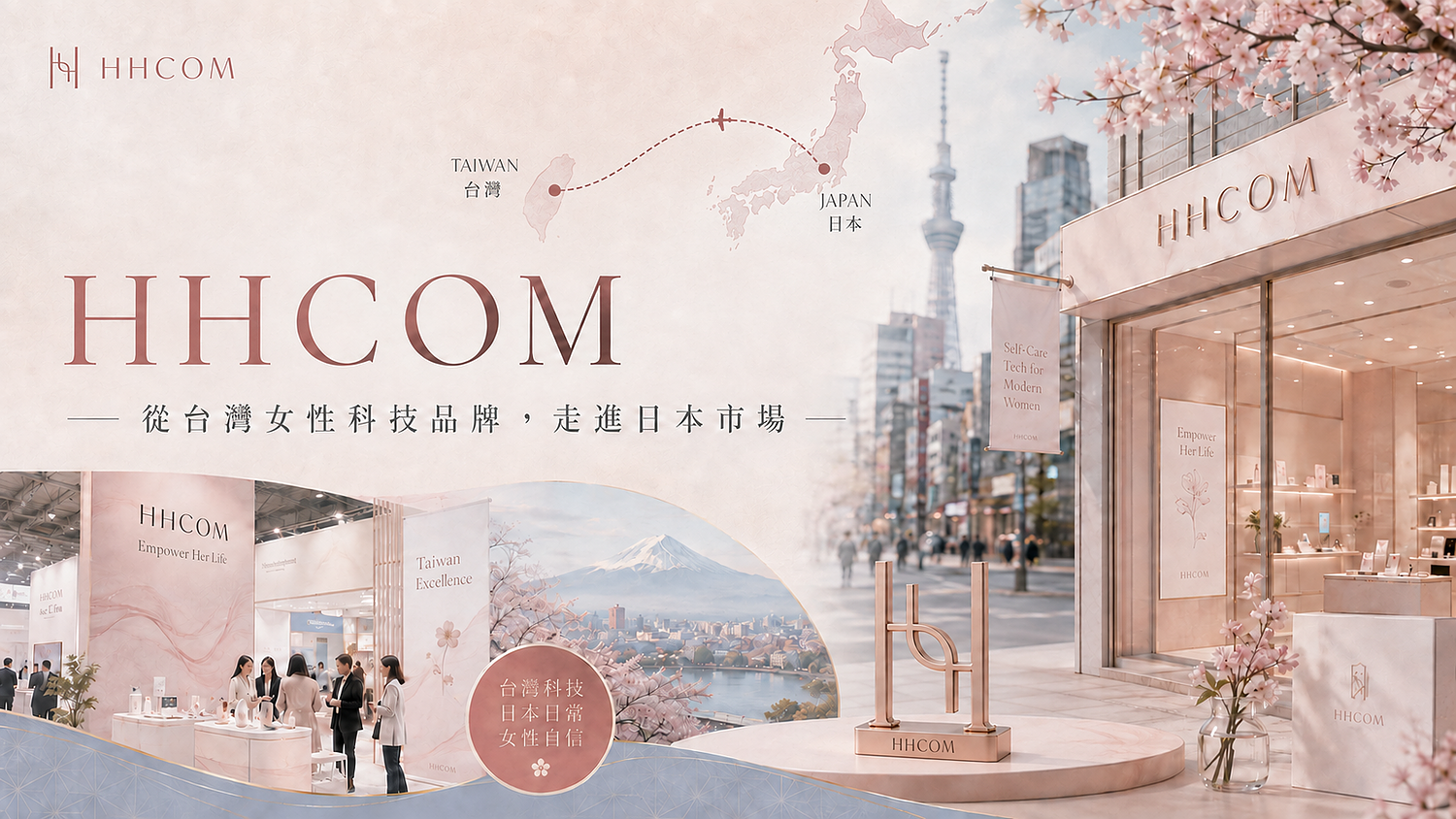
    HHCOM elevates sexual wellness into a premium, luxury experience.

    HHCOM募資

    HHCOM’s debut of its women’s health product line on Japan’s crowdfunding platform MYFEEL immediately demonstrated strong market appeal and brand potential. Within just one month, the campaign successfully raised 330,000, significantly surpassing its initial target and underscoring the growing awareness and resonance of women’s health issues among local consumers. This outstanding achievement reflects HHCOM’s precision in product development, brand positioning, and market communication, while also laying a solid foundation for future expansion across Japan and into the global market. Through the influential MYFEEL platform, HHCOM effectively conveyed its product philosophy to a broader target audience, further strengthening brand credibility and reputation, and marking the beginning of a new chapter in the women’s health sector.

    Fertility Tech Has Become More Digital Through Policy Support

    As local governments gradually introduced egg-freezing subsidy programs, institutions such as Stork Fertility Center and TFC Taipei Fertility Center began moving toward digital services. Appointment apps and AI-assisted treatment management have made IVF and egg-freezing journeys more transparent for patients.

    Comparing the FemTech Maps of Japan and Taiwan

    Japan FemTech industry map

    Japan FemTech industry map source: Femtech Community Japan

    Taiwan FemTech industry map: (Illustration by HHCOM) View here

    Taiwan FemTech industry map

    In Japan, the shift in sexual wellness products has been significantly strengthened through branding that frames them within the language of female self-care. For example, the Japanese brand wyle positions itself around “design centered on women’s needs,” placing vibrators within a self-care context. Iroha, a women-focused sub-brand under TENGA, entered the mainstream market through award-winning design and food-grade silicone materials, making these products suitable for concept stores and design-media coverage.

    In the adjacent field of intimate healthcare, Japan’s hanamisui has been cultivating the market for more than 20 years. Its injectable intimate cleansing gel uses a gynecological care concept to elevate intimate wellness from basic cleansing to proactive care, with product lines extending to postpartum and menopausal needs. Brands like this already belong to a mature market in Japan, while in Taiwan they are still relatively new consumer concepts.

    Taiwan also has local brands moving in a similar direction, though from different entry points. HHCOM and WTide are trying to build a local Taiwanese language for sexual wellness: redefining what it means to create products that are genuinely made for women through product design, material choice, and user experience.

    Looking Forward to More FemTech Participants in Taiwan

    Although there are already players working in sexual wellness, both the discourse and the market education are still in an early stage. That also means there is room for new growth. Taiwan is already on this path, and we welcome more brands to share their participation in the FemTech movement and join this Taiwan FemTech industry map.

    Read More

    Explore more articles on women’s health, intimate care, and FemTech trends at HHCOM.

    Read More

    Explore HHCOM

    Discover Japanese-inspired women’s wellness selections designed with materials, comfort, and sensory experience in mind.

    Browse Products

    Learn More About Our Brand

    If you believe women’s health and self-care deserve more thoughtful attention, get to know the world of HHCOM.

    Learn More

  • | |

    Why Can’t Some Women Reach Orgasm? HHcom Explores Stress, Psychological Safety, Self-Discovery, Intimate Relationships, and Body Awareness

    Reviewed by the HHcom Editorial Team

    |

    Last updated: 2026-05-22

    30-Second Summary: Why Might Women Struggle to Reach Orgasm?

    Best for: Anyone who feels orgasm is difficult to reach, feels unclear about orgasm sensations, or wants to understand the reasons behind female orgasm difficulties and gentle ways to improve.

    Key idea: Difficulty reaching orgasm does not automatically mean there is something wrong with the body. In many cases, stress, lack of psychological safety, limited self-exploration, relationship dynamics, and incomplete body awareness all play a role.

    Reading note: Orgasm is not a performance test, nor is it a goal that must be reached every time. What matters more is whether you can understand your body more deeply and approach sensation slowly in a state where you feel safe, comfortable, and respected.

    Many women have quietly asked themselves at some point: Why can’t I reach orgasm? Is something wrong with me? In reality, difficulty reaching orgasm is not rare, and it does not mean your body is abnormal. Rather than quickly assuming “maybe I’m just naturally not the type” or “maybe the technique isn’t good enough,” it is more helpful to understand that female orgasm is often influenced by many overlapping factors: stress, psychological safety, self-exploration, intimate relationship dynamics, and how well you know your own body. In this article, HHcom gently explores why some women struggle to reach orgasm, which reasons are especially common, and how to approach your own sensations in a kinder, more supportive way. If you would also like to rethink your own pace through the lens of women’s wellness, body understanding, and intimate self-discovery, you can browse the HHcom full collection, where different products and use scenarios may help you find a gentler way to explore what suits you.

    Why might women struggle to reach orgasm? In many cases, it is not just one reason

    When people talk about women struggling to reach orgasm, they often search for one simple answer: maybe the stimulation is not enough, maybe the method is wrong, maybe the body is not responsive enough. But in reality, female orgasm is rarely something controlled by a single factor. It is often more like a state that becomes accessible when many conditions slowly align. That is why, when orgasm feels difficult, the reason is often not just one thing, but a mix of stress, anxiety, relationship dynamics, limited body familiarity, and even the pressure of expecting orgasm itself.

    For many women, orgasm is not an on-demand switch. It is closer to a state that becomes easier to approach when the mind relaxes, the body feels cooperative, and the heart feels safe. This is also why someone can genuinely like their partner, want intimacy, and still feel unable to fully enter the experience. It is not because they are lacking. It is because female sensation is deeply connected to the overall state of body and mind.

    In other words, the first step in understanding why women may struggle to reach orgasm is not to rush into fixing yourself, but to accept that this topic is naturally more complex than it first appears and deserves to be understood with care.

    HHcom Editorial View

    Many people respond to orgasm difficulties by blaming themselves immediately—thinking they must be too cold, too numb, or somehow not normal. From HHcom’s perspective, female orgasm is not a linear target. It is more like a process that requires safety, understanding, and a sense of cooperation with the body to build over time.

    Stress and psychological safety: why do they directly affect female orgasm?

    Many people underestimate how much stress affects female orgasm. When someone has already spent the day carrying work pressure, emotional fatigue, life anxiety, or a mind that simply will not stop thinking, the body cannot easily switch into a relaxed, receptive, pleasure-oriented state. In other words, stress is not just an abstract emotional issue—it directly affects the body’s ability to engage.

    Psychological safety is equally important. For many women, orgasm is closely tied to whether they feel relaxed enough, respected enough, and free from the need to perform. If during intimacy you are worried about whether your reactions are normal, how the other person sees you, whether you are “doing enough,” or whether certain boundaries might be ignored, the body naturally becomes less willing to open.

    So one overlooked answer to “why can’t women reach orgasm?” is this: it is not necessarily that your body lacks sensation. It may be that your body is still protecting you. When safety feels uncertain, the body often prioritizes defense over deeper pleasure.

    A reminder for self-understanding:

    If you notice that you struggle to relax, focus, or stay present during intimacy, you do not need to blame your body first. Sometimes what truly needs care is your emotional space and sense of psychological safety.

    Limited self-discovery and body awareness can also make orgasm harder to approach

    Another very common but rarely discussed reason is that many women have never truly been taught how to know their own bodies. This is not anyone’s fault. Most people were simply never educated about how female pleasure works, what kind of rhythm they tend to enjoy, or how different types of touch may feel to them. When someone is still unfamiliar with their own body map, it naturally becomes harder to find a comfortable path toward orgasm in intimate situations.

    The purpose of self-discovery is not to become someone who is good at “achieving orgasm.” It is to slowly learn what you like, what you do not like, whether you prefer slower or faster pacing, more focused or more diffuse sensation, direct contact or a softer transition. These are not things most people know all at once. They are learned gradually through time, experience, and a more shame-free understanding of one’s body.

    That is why if orgasm feels difficult, it does not necessarily mean there is something wrong with your body. Sometimes it simply means you are still in the process of getting to know yourself—and that process deserves patience.

    Aspect Common experience Possible effect A gentler interpretation
    Body awareness Not knowing what type of stimulation feels good Harder to enter the experience More observation and self-exploration may help
    Sense of rhythm Not knowing whether slow or fast feels better Feeling off or becoming distracted Build your own body rhythm map
    Shame Feeling guilty about exploring yourself The body opens less easily Begin by allowing yourself to understand yourself

    HHcom Editorial View

    Many women do not lack sensation—they have simply never been encouraged to understand their sensations. For HHcom, self-discovery is not about chasing performance. It is about helping women move from “I don’t know what is happening with me” to “I understand myself a little better now.”

    What are clitoral orgasm and G-spot orgasm? Understanding different pathways can reduce self-misunderstanding

    One reason many women wonder whether they are “unable to orgasm” is that we often know the word orgasm, but very few people ever explain that female orgasm may happen through different pathways and feel different from person to person. When you do not know that sensitivity, rhythm preference, and body response can vary widely, it becomes easy to misread “I haven’t found what works for me yet” as “Maybe I just can’t do it.”

    Two of the more commonly discussed pathways are clitoral orgasm and G-spot orgasm. These are not rigid categories meant to box women into a standard. They are simply useful ways to understand that different areas and different forms of stimulation can create different sensations.

    What is a clitoral orgasm?

    A clitoral orgasm usually refers to orgasmic sensation that builds through rhythm, contact, and stimulation around the clitoris. For many women, the clitoral area is naturally one of the more sensitive regions and is often easier to connect with, which is why clitoral orgasm is one of the more familiar and more commonly discussed orgasm pathways.

    That said, not everyone will feel it immediately. Some people prefer more direct, focused stimulation, while others respond better to a slower rhythm around the surrounding area rather than strong intensity from the beginning. Again, this shows that difficulty reaching orgasm does not automatically mean there is a problem with your body—it may simply mean you have not yet found the kind of clitoral stimulation that suits you best.

    What is a G-spot orgasm?

    A G-spot orgasm is generally described as being related to stimulation of an area along the front wall of the vagina. Some women describe this sensation as quite different from clitoral orgasm—sometimes deeper, more internal, or more gradual and layered. Others may not feel much in that area at all, or may need far more relaxation and warm-up before that type of response becomes accessible.

    In other words, G-spot orgasm is not something every woman must have, nor does every woman experience it in the same way. If that area is not especially responsive for you, it does not mean you are abnormal. Female bodies naturally vary: some women are more responsive to clitoral stimulation, some to internal stimulation, and some only find a fuller response when external and internal stimulation are combined.HHCOM雲之珊 雲朵棒

    An important reminder:

    Clitoral orgasm and G-spot orgasm are not test categories, and no woman needs to “be able to do both.” What matters more is whether you can slowly understand how your own body responds without pressure, comparison, or self-blame.

    Can massage wands, suction toys, or other tools help?

    Yes—and for many women, using tools is not a shortcut, but a more effective way to understand their bodies. Sometimes, imagination alone or partner-based interaction is not enough to clearly show what rhythm, position, or type of stimulation actually suits you. In that context, the right tool can help build a more accurate body map.

    For example, if you want to better understand sensation around the clitoral area, some women do well starting with a suction toy or an external massage wand, because these can make it easier to explore outer rhythm and sensation. If you want to explore deeper internal responses, a massage wand with a particular curve or angle may be more helpful. Some women also find that combining external and internal stimulation helps them better understand which type of rhythm their body responds to most naturally.

    For HHcom, the value of tools is not that they “complete the orgasm task” for women. Their value is in helping women approach sensation more gently. When a tool increases understanding, lowers pressure, and makes exploration feel more natural, it becomes more than a product—it becomes a companion in learning your own body.

    HHcom Editorial View

    Many women worry that relying on a massage wand or suction toy means they are not natural enough, or not “good” at feeling. In reality, tools simply make self-understanding easier. For HHcom, what matters is not whether you used a tool, but whether the experience allowed more ease, less shame, and more self-understanding.

    How relationship dynamics can also affect whether women can approach orgasm

    Difficulty reaching orgasm is not always only about the individual. It can also be shaped by the way intimacy functions inside a relationship. If a relationship lacks communication, patience, a sense of being listened to, or if orgasm is treated like a task, a performance, or a pressure point, then what should be a moment of intimacy can easily turn into a moment of evaluation.

    Many women struggle to reach orgasm in relationships not because their partner does not care, but because both people may not yet have built a language for talking about sensation. What kind of rhythm do you like? Do you want things slower or faster? Do you want to be guided, or do you feel safer with more control? If these questions have never really been discussed, the body often ends up merely complying instead of truly participating.

    That is why the impact of intimacy on female orgasm is often not just about technique. It is about atmosphere. When you feel listened to, respected, and allowed to have a different pace, the body has a much better chance of opening gradually.

    A relationship reminder:

    Orgasm is not a way to measure whether a relationship is good or bad, nor is it proof that someone is skilled. If intimacy is filled with pressure, comparison, and urgency, the body usually becomes even less able to relax.

    If orgasm feels difficult, how can women improve gently? Start with understanding, not blame

    If you often feel that orgasm is difficult to reach, the first step is not to push yourself harder. It is to set down the pressure of “Is something wrong with me?” because the more orgasm becomes a required outcome, the harder it often becomes for the body to enter the experience. Rather than rushing toward results, more helpful directions usually include understanding your sources of stress, caring for your psychological safety, increasing self-exploration, improving communication with a partner, and re-learning your own body’s reactions with more gentleness.

    For some people, improvement begins simply by giving themselves permission to slow down. For others, it may begin with honestly realizing they do not yet know what they actually enjoy. Some women gradually develop body awareness through safer, lower-pressure exploration tools. There is no single correct path, but what they all tend to share is this: less self-blame, more understanding first.

    So if you are asking “why can’t women reach orgasm?”, one of the most important answers may be this: female sensation was never meant to be reduced to something simple. When you begin to understand yourself in a more patient, complete, and compassionate way, that is when change can slowly begin.

    HHcom Featured Pick

    HHcom Collection

    If you want to begin exploring body sensations in a gentler, lower-pressure, more self-understanding way, the HHcom collection may offer women’s pleasure products that better fit your rhythm, comfort level, and aesthetic lifestyle.

    Feeling understood matters more than feeling pushed

    FAQ

    Why might women struggle to reach orgasm?
    Common reasons include stress, anxiety, lack of psychological safety, limited self-exploration, poor communication in intimate relationships, and insufficient familiarity with one’s own body. In many cases, the cause is not just one thing.
    Does difficulty reaching orgasm mean there is something wrong with the body?
    Not necessarily. In many cases, difficulty reaching orgasm is more about one’s overall state than physical abnormality. Stress, emotional tension, protective body responses, and limited body awareness can all affect orgasmic response.
    Does psychological safety really affect orgasm?
    Yes. If you feel judged, pressured to perform, or unsure whether your boundaries will be respected, the body generally becomes less able to relax—and deeper sensation becomes harder to access.
    Can limited self-discovery also make orgasm more difficult?
    Yes. If you are still unclear about which rhythm, type of touch, or kind of sensation feels best for you, it can naturally be harder to find a comfortable path during intimacy.
    What is a clitoral orgasm?
    A clitoral orgasm usually refers to orgasmic sensation that builds through touch, rhythm, and stimulation around the clitoris. For many women, this is one of the more familiar and accessible orgasm pathways.
    What is a G-spot orgasm?
    A G-spot orgasm is usually described in relation to stimulation of an area along the front wall of the vagina. Some women feel it as a deeper kind of sensation, while others do not feel it clearly at all—both are normal.
    Can massage wands or suction toys help if orgasm feels difficult?
    Yes. For many women, massage wands and suction toys can help clarify which rhythm, position, and type of stimulation feel most natural. The point is not pressure or performance, but gentler and more supportive exploration.
    How can women begin improving if orgasm feels difficult?
    A good place to start is by reducing self-blame, understanding your stress sources, caring for psychological safety, increasing self-exploration, improving communication with a partner, and re-learning your body with more gentleness.

    Orgasm is not a test — what matters more is whether you are slowly getting closer to yourself

    When you begin looking at yourself through the lenses of stress, psychological safety, self-discovery, intimate relationship dynamics, and body understanding, many struggles that once felt confusing can slowly become clearer.

    See Featured Products

    Start from a lower-pressure form of exploration and discover different ways women’s pleasure products can support you.

    Learn More

    Browse the Collection

    Choose more HHcom products by material, function, and use scenario.

    Visit Shop

    Read More

    Continue exploring topics related to intimate care, relaxation, and women’s wellness.

    Continue Reading

    Further Reading