


What Does a Female Orgasm Feel Like? 8 Common Questions
Some people describe orgasm as feeling like they need to pee, some notice leg shaking, and others describe a sudden release or a moment when their mind goes blank. There is no single way a female orgasm is supposed to look or feel.
|
In 30 Seconds|What Does a Female Orgasm Feel Like?
What is an orgasm? It is often described as a peak and release after sexual arousal builds, sometimes with changes in breathing, involuntary muscle contractions and relaxation afterward.
Do your legs have to shake? No. Some people have obvious physical reactions, while others do not.
Does tingling mean orgasm? Not necessarily. Tingling can also happen during arousal before orgasm.
Is squirting the same as orgasm? No. Squirting and orgasm are separate physiological events and can happen together or separately.
Most importantly: you do not need to use movies, pornography or another person’s reactions as a standard for your own body.
Hi, I’m Joe from HHCOM. HHCOM is a Taiwan-based FemTech and women’s wellness brand.
People describe orgasm in many different ways: a feeling similar to needing to pee, shaking legs, a sudden release, or a brief moment when their thoughts seem to disappear.
But orgasm is not a test. There is no single reaction that everyone needs to have, and you do not need to compare your body with someone else’s.
Does an Orgasm Have to Feel Like an “Explosion”?
No. Orgasm does not have to involve screaming, full-body shaking, leg trembling or a feeling of losing control.
It is often described as the peak of sexual arousal, with release of sexual tension, involuntary muscle contractions, changes in breathing and relaxation afterward.
Cleveland Clinic’s overview of orgasm also notes that intensity and duration vary from person to person.
I Feel Tingling — Does That Mean I Had an Orgasm?
Tingling alone cannot confirm orgasm. Tingling, warmth, increased sensitivity and a faster heartbeat can all happen during sexual arousal.
Rather than trying to label one sensation, notice whether there was a clearer peak, release, or a noticeable sense of relaxation afterward.
Some people use terms such as “small orgasm” or “mild orgasm,” but you do not need a label to validate your experience.
I Can Orgasm Alone but Not With a Partner — Is Something Wrong?
Not necessarily. Solo exploration and partner sex can involve different stimulation, rhythm, attention, emotional state and communication.
For many people, clitoral stimulation is an important part of sexual pleasure, and vaginal penetration alone may not create the same response.
If you already know what placement, pressure or rhythm you enjoy, you can communicate that more specifically with your partner. You can also decide together whether you want to include a toy.
Do Clitoral and G-Spot Orgasms Feel Different?
They may feel different for some people and overlap for others. There is no fixed boundary that applies to everyone.
Terms such as “clitoral orgasm” and “G-spot orgasm” usually describe the type or location of stimulation, not a ranking of better or more “real” orgasms.
Cleveland Clinic’s clitoris anatomy guide explains that the clitoris includes both external and internal structures.
Sensitivity along the front vaginal wall also varies between people, so it is not accurate to describe every person’s “G-spot” as one identical fixed location.
I Have Tried Many Times but Still Do Not Orgasm — Is Something Wrong?
Not necessarily. Difficulty reaching orgasm can have many possible influences, including stress, mood, relationships, medication, hormones and physical health.
Cleveland Clinic’s information on anorgasmia includes both physical and psychological factors.
Give yourself enough time and a setting where you can stop whenever you want. An experience can still be enjoyable and worthwhile even if it does not end in orgasm.
If stimulation feels too strong, reduce pressure, change position or take a break. Pain does not need to be pushed through.
Does an Orgasm From a Vibrator Feel the Same as One During Sex?
It may feel similar or different. Neither experience is automatically better, more real or more complete.
A vibrator gives you more direct control over mode, rhythm and placement, which can make it easier to learn what you enjoy.
Partner sex also involves emotional connection, communication, safety and your state of mind at that moment.
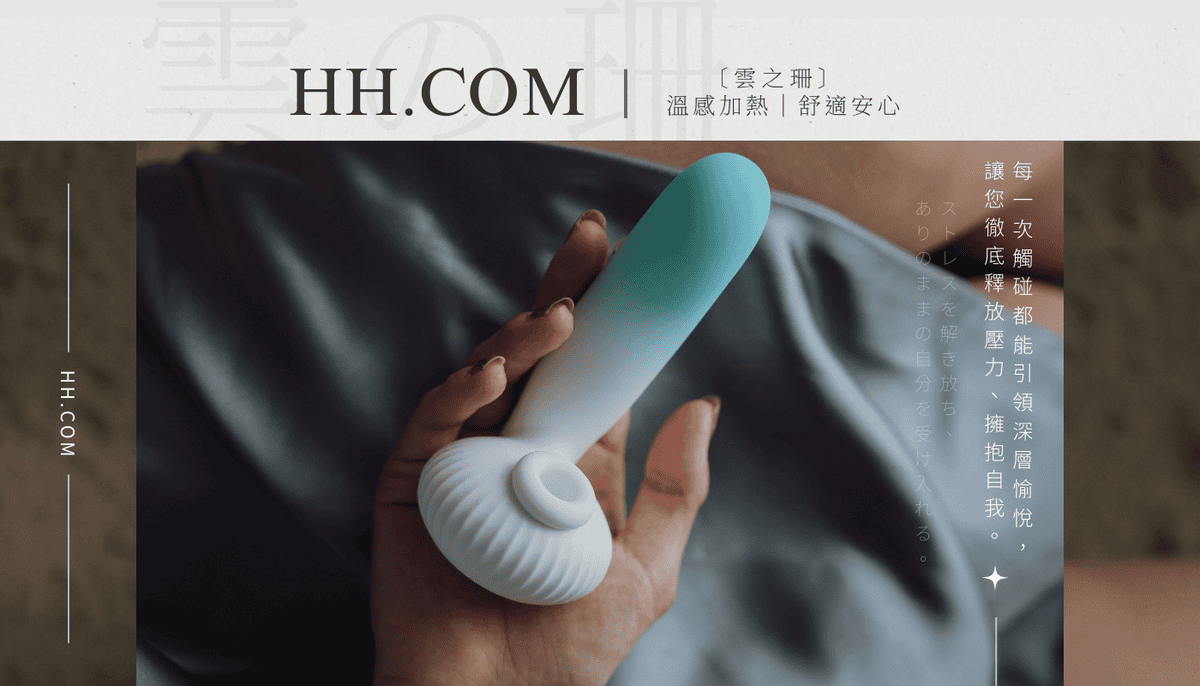
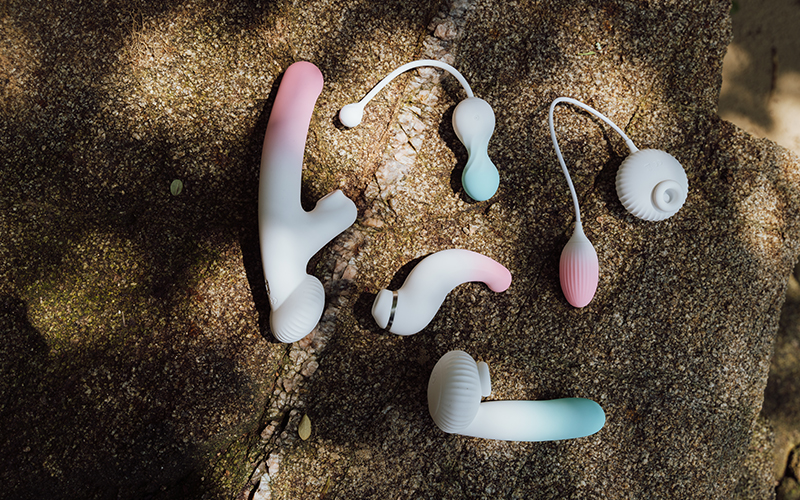
HHCOM Cloud Wand
For anyone who wants to compare suction, vibration and warming. It offers 10 suction levels, 10 vibration patterns and a warming function.
HHCOM Sea
If compact size and light weight matter more, Sea combines suction and vibration in an 86.6 g body.
Is It Normal to Feel Too Sensitive After an Orgasm?
Yes, it can happen. The clitoris or surrounding area may feel temporarily very sensitive after orgasm.
If continued touch feels too intense or uncomfortable, you can stop and rest. You do not need to continue stimulation just because you technically can.
If the sensation is clearly painful, lasts a long time, or repeatedly causes discomfort, seek medical evaluation.
If I Squirt, Does That Mean I Had an Orgasm?
Not necessarily. Squirting and orgasm are separate physiological events. They can happen together or independently.
Research sometimes distinguishes small amounts of paraurethral gland secretion from larger-volume squirting.
Studies of larger-volume squirting suggest that the fluid may come primarily from the bladder, sometimes mixed with other glandular secretions.
For that reason, it is not accurate to treat all fluid as the same thing, and fluid release should not be used as the only sign of orgasm.
See this PubMed study on the nature and origin of squirting .
There Is No One Way an Orgasm Has to Look
You do not have to shake. You do not have to scream. You do not have to squirt. And every orgasm does not have to feel equally intense.
Instead of constantly asking “Does this count?”, it may be more useful to notice what kind of touch feels good, what rhythm you like and when you want to stop.