

Why Does Female Intimate Dryness Happen?
A Gentle Guide to Stress, Hormones, Cleansing Habits, and Everyday Care
30-Second Summary: What Is Female Intimate Dryness?
Best for: Anyone who has noticed dryness, friction discomfort, stinging during intimacy, or wants to understand intimate wellness and care.
Key idea: Female intimate dryness is common and does not always mean something serious, but it is often connected to stress, hormonal changes, over-cleansing, unstable routines, and overall mind-body balance.
Reading note: Dryness is not something to feel ashamed of. In many cases, it is simply your body saying: right now, I need more rest, care, and understanding.
In reality, many women have experienced intimate dryness at some point. They just do not always talk about it openly. Some notice increased friction while walking during the day, some feel there is not enough smoothness during intimacy or even experience stinging, and others do not have obvious inflammation but still feel that the intimate area is drier, tighter, or simply less comfortable than before. These sensations do not always mean there is a serious problem, but they do deserve understanding. Female intimate dryness is often not caused by just one factor. It is more often the result of body condition, emotional stress, hormonal changes, cleansing habits, and daily care all interacting together. In this article, HHcom gently walks with you through why female intimate dryness happens, common reasons behind it, which care habits may actually make dryness worse, and how you can care for yourself in a softer, more supportive way. If you also want to explore product options from the perspective of intimate wellness and comfort, you can browse the HHcom full collection, where different materials, functions, and care needs may help you find what suits you better.
What does female intimate dryness feel like? It is not just “not wet enough”
When people talk about female intimate dryness, many immediately think it simply means “not enough moisture.” But the actual sensation is often more subtle than that. Some women feel more friction while walking or when their underwear touches the area. Others experience stinging, a dragging sensation, or discomfort during intimacy. Some do not feel obvious pain, but still notice that the area feels less soft, less flexible, or simply tighter and drier than before.
In other words, dryness does not only show up during intimate moments. It can also show up as a decrease in everyday comfort. Many women initially wonder whether they are just being overly sensitive or imagining things, but the body is often very honest about changes in moisture and friction. When the balance of hydration and comfort is disturbed, you gradually begin to notice that things do not feel quite the same.
So the first step in understanding intimate dryness is not to panic, but to honestly acknowledge that what you are feeling may be real. There is no need to force yourself to tolerate it, and no need to dismiss yourself as overreacting.
HHcom Editorial View
Many women do notice dryness—they just get used to overlooking themselves first. To HHcom, intimate dryness is not something embarrassing. It is simply your body reminding you that right now, it may not be receiving the care it needs.
What are the common causes of female intimate dryness? It is not just about hormones
When female intimate dryness comes up, many people immediately think of hormones. But in reality, the most common reasons are usually more than just one thing. One very common cause is stress, unstable routines, and lack of sleep. When the body as a whole is tense, the comfort of the intimate area can also be affected. Another common factor is hormonal fluctuation during different times such as the menstrual cycle, postpartum recovery, breastfeeding, or age-related changes. During these periods, it is natural for moisture levels to feel different than before.
A third common cause is over-cleansing or using products that are not suitable. Cleansing products that are too strong, heavily scented, used too frequently, or simply not designed for the intimate area can make the environment drier and more sensitive instead of protected. A fourth factor is emotional and psychological strain. When someone lives with chronic anxiety, ongoing stress, or very little room to relax, the body also finds it harder to maintain a natural sense of comfort.
In other words, female intimate dryness is often not just about one area “being wrong.” It is usually the result of overall body balance, lifestyle, and intimate care habits showing up together.
| Cause type | Common situations | Possible signs | How to understand it |
|---|---|---|---|
| Hormonal changes | Before or after menstruation, postpartum, breastfeeding, age-related changes | Reduced moisture, more friction | These changes are common and not always abnormal |
| Stress and routine | Staying up late, fatigue, anxiety, constant tension | Less comfort, more dryness during intimacy | The intimate area can reflect overall mind-body condition |
| Over-cleansing or unsuitable care | Washing too much, using irritating products | Dryness, itchiness, sensitivity, stinging | Sometimes it is not about being unclean, but about washing too much |
HHcom Editorial View
One of the easiest things to overlook about intimate dryness is that it is often not just a local issue. It can be a reflection of your overall life state. When you are chronically tired, tense, and not truly resting, many parts of the body may begin speaking for you first.
Can stress, hormones, and emotional state really make the intimate area drier?
Yes—and this is more common than many people realize. When you are under prolonged stress, the body often begins to postpone functions that are not immediately tied to survival. This does not mean the body is broken. It means the body is coping with pressure and fatigue in its own way. In that state, comfort, softness, moisture, and the general ability to relax in the intimate area may all become reduced.
Hormones are another major factor. At different stages of life, women naturally experience changes in moisture due to menstrual cycles, postpartum recovery, breastfeeding, and age-related shifts. In other words, dryness is not always a sudden problem. Sometimes it is simply a natural response to the stage your body is currently moving through.
Emotional state can intensify the feeling too. When you feel anxious, tense, or unable to relax, the body usually finds it harder to enter a soft, comfortable, receptive state. That is why some women who already feel a bit dry in daily life may notice even more discomfort during intimate moments.
Which cleansing and care habits can actually make intimate dryness worse?
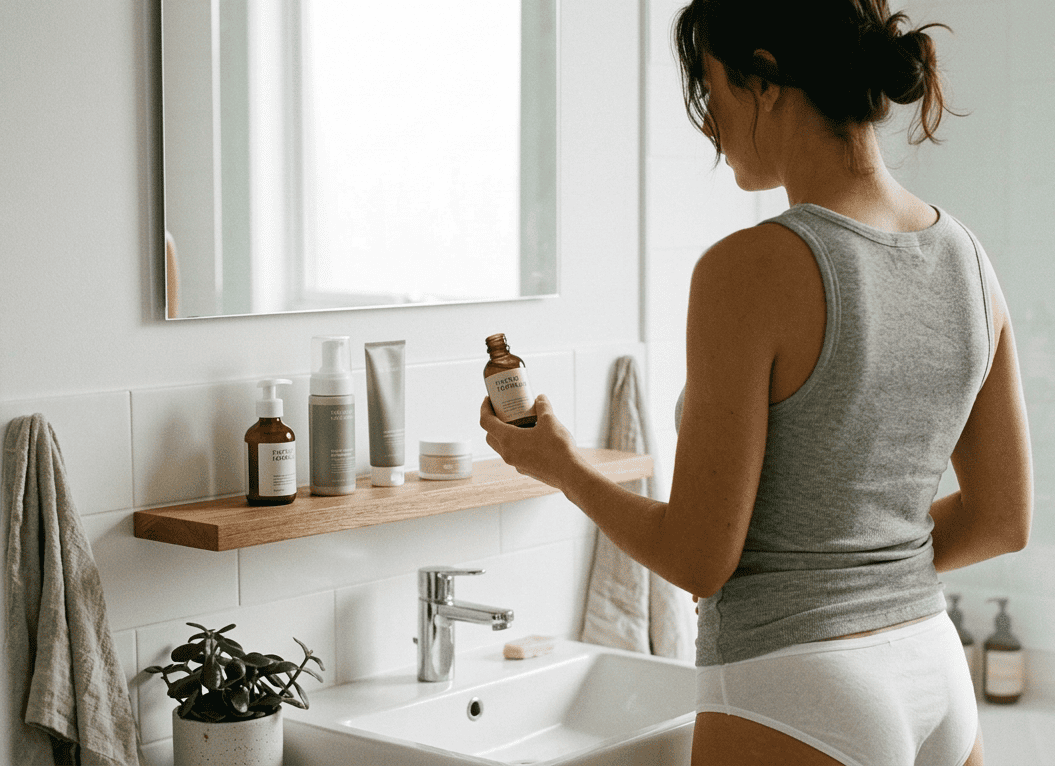
Many women feel discomfort and instinctively think, “Maybe I should wash more thoroughly.” But sometimes the problem is not that the area is unclean—it is that it is being cleaned too aggressively. Washing multiple times a day, using strong cleansers, choosing heavily scented products, or relying too much on deodorizing and strongly antibacterial care items can all disturb the delicate balance that the intimate area needs.
The intimate area is not healthier just because it is washed more often, and it is not healthier just because it smells stronger. What matters more is whether you are choosing a gentler, more skin-friendly approach, and whether you are avoiding prolonged heat, friction, and overstimulation in that area. For many women, changing habits that look like “care” but are actually too harsh can gradually reduce the feeling of dryness.
So when you wonder what to do about female intimate dryness, the answer may not be doing more. It may be pausing and asking: am I washing too much, interfering too much, or overstimulating too much?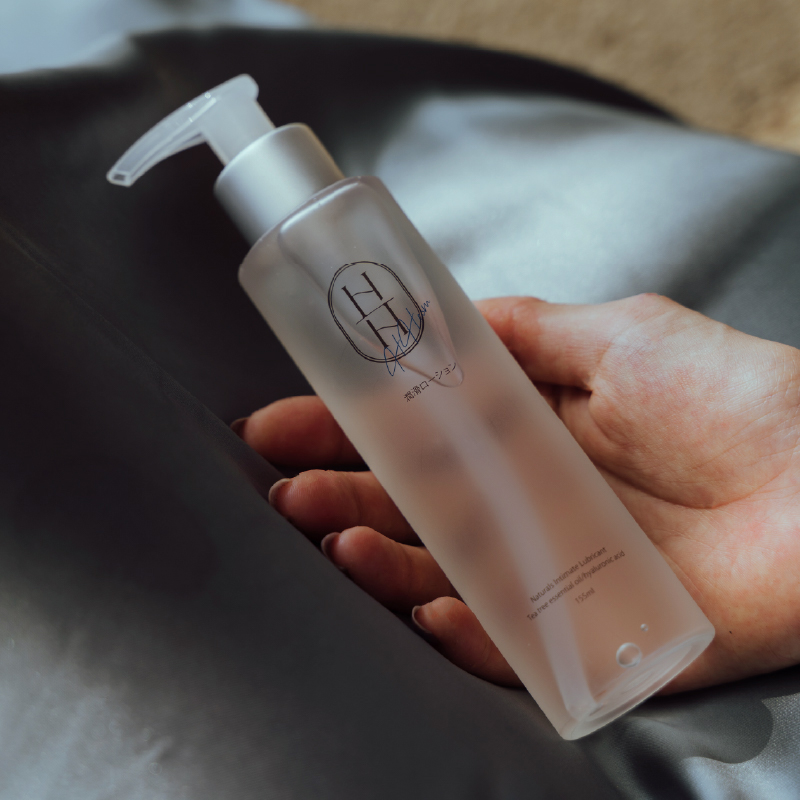
How can female intimate dryness improve? Start with everyday care, relaxation, and the right products
If intimate dryness is a recurring issue, the first step is not panic, but gentle daily care. This may include stabilizing your routine, reducing over-cleansing, choosing care products with simpler and gentler ingredients, minimizing fragrance and irritation, and checking whether the area is spending too much time in heat, friction, or trapped moisture. These sound basic, but for many women they are the most effective starting point.
If dryness feels especially noticeable during intimacy, it may also help to use a lubricant with a gentle texture and more body-friendly ingredients to reduce friction and discomfort. This does not mean you are not engaged enough, nor does it mean there is something wrong with your body. It is simply a more mature way of caring for yourself. For many women, what matters more is not “Shouldn’t I naturally be wet enough?” but “Can I feel comfortable?”
Most importantly, do not treat dryness as something small that must simply be endured in silence. When you begin taking your body more seriously, intimate dryness can slowly shift from being a frustrating problem into a sign that reminds you to care for yourself more consciously.
FAQ
Is female intimate dryness common?
Is intimate dryness always a hormone issue?
Will washing more help improve intimate dryness?
If I feel dry during intimacy, does that mean I am not engaged enough?
How can female intimate dryness improve?
Dryness is not your fault — what matters most is whether you begin caring for yourself
When you start understanding your body through stress, hormones, cleansing habits, and daily care, intimate dryness can slowly shift from a frustrating problem into a signal you can better understand.
See Featured Products
Start with gentle daily support to reduce friction discomfort and dryness.
Learn MoreBrowse the Collection
Explore more HHcom products by material, function, and use scenario.
Visit ShopFurther Reading
- If you want to keep learning about intimate wellness and comfort: More HHcom women’s wellness and product curation articles
- If you want to compare different product types directly: HHcom Full Collection