



How to Do Kegel Exercises: Pelvic Floor Training and the HHCOM Kiri Guide
Hi, I’m Joe from HHCOM. HHCOM is a Taiwan-based FemTech and women’s wellness brand. We believe learning how your body works is an important part of finding what feels comfortable and right for you.
|

Kegel Exercises in 30 Seconds
What are Kegel exercises? Kegels involve gently contracting and relaxing the pelvic floor muscles. The goal is not to squeeze as hard as possible, but to use the correct muscles with good control.
How should beginners start? Try gently contracting for about 3 seconds, then fully relaxing. Keep breathing normally and avoid tightening your stomach, thighs or buttocks.
Do you need Kegel balls? No. Pelvic floor exercises can be done without any device. Kegel balls and feedback devices are optional tools.
If you want interactive feedback: HHCOM Kiri combines pressure-sensitive feedback with 10 vibration patterns.
Kegel exercises are pelvic floor exercises that involve contracting and relaxing the pelvic floor muscles. The key is to identify the correct muscles, keep breathing naturally and fully relax after each contraction.
You can do Kegel exercises without any equipment. If you prefer a device that provides interactive feedback, HHCOM Kiri uses pressure-sensitive feedback and 10 vibration patterns, offering a different experience from traditional weighted Kegel balls.
What Muscles Do Kegel Exercises Work?
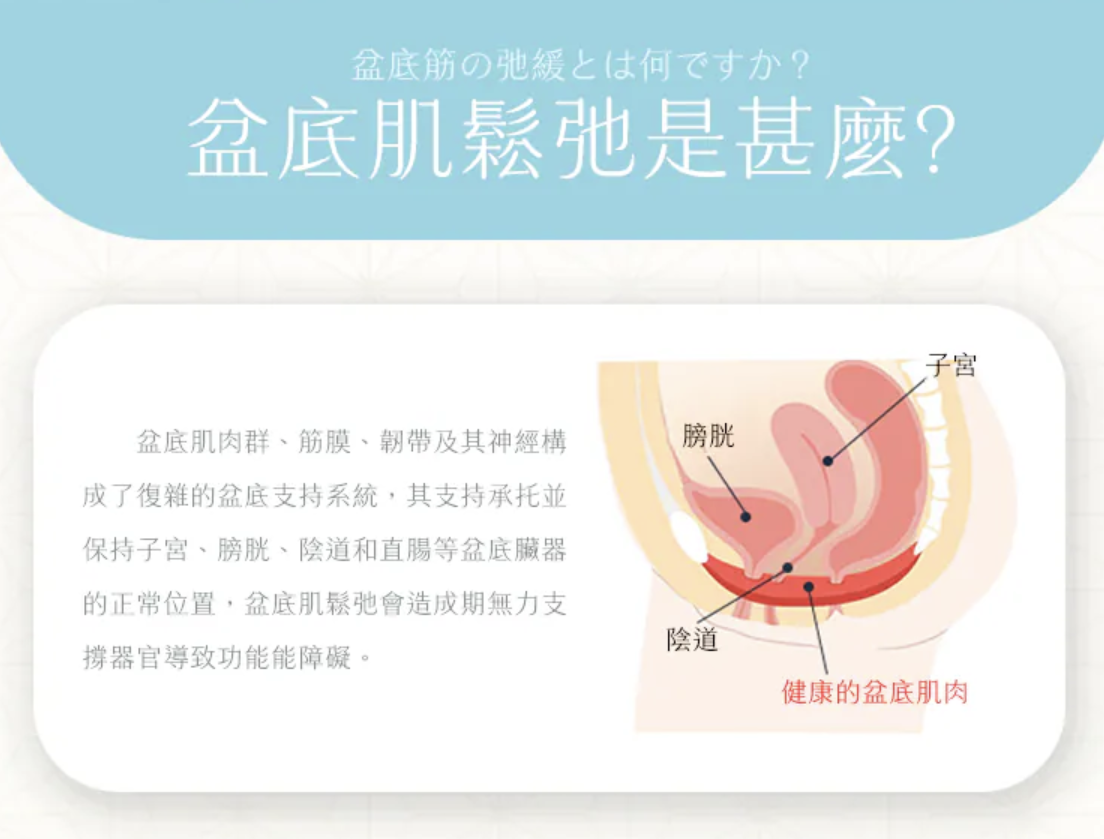
The pelvic floor is a group of muscles located at the base of the pelvis. These muscles act somewhat like a hammock, helping support the bladder, uterus and rectum. They also play a role in bladder and bowel control.
Kegel exercises train your ability to consciously contract and relax these muscles.
How do you find your pelvic floor muscles?
According to the U.S. National Institute of Diabetes and Digestive and Kidney Diseases (NIDDK) , one way to identify the pelvic floor is to imagine trying to stop yourself from passing gas.
How to Do Kegel Exercises: 4 Steps for Beginners
Find your pelvic floor
Imagine stopping yourself from passing gas. You should feel a gentle inward and upward lift around the pelvic floor.
Keep breathing
Do not hold your breath. Try to keep your abdomen, thighs and buttocks relaxed.
Hold for about 3 seconds
Beginners can start with short contractions. Correct technique matters more than holding for a long time.
Fully relax
Let the muscles relax completely between contractions. Pelvic floor health involves both contraction and relaxation.
How Long Do Kegel Exercises Take to Work?
According to the NIDDK , some people may begin noticing improvements in bladder control after about 3 to 6 weeks of consistent, correct practice.
However, there is no single timeline that applies to everyone. Your starting muscle function, symptoms, goals and training consistency can all affect how long it takes.
For women with stress urinary incontinence or mixed urinary incontinence, NICE recommends supervised pelvic floor muscle training for at least 3 months.
Do You Need Kegel Balls for Pelvic Floor Exercises?
No.
You can strengthen and improve awareness of your pelvic floor without using any device. Kegel balls, weighted trainers, vibrating devices and pressure-feedback products are optional tools with different features.
Designed around the sensation of added weight.
Add vibration patterns for a different sensory experience.
Respond to changes in pressure for a more interactive experience.
Feeling vibration or product feedback does not automatically mean you are using the pelvic floor correctly.
If you are dealing with urinary leakage, pelvic pain, difficulty urinating or bowel symptoms, professional assessment is more appropriate than simply increasing exercise intensity.
HHCOM Kiri: Pressure-Sensitive Feedback and 10 Vibration Patterns
Best suited for: people who are interested in an interactive Kegel device with both pressure feedback and vibration.
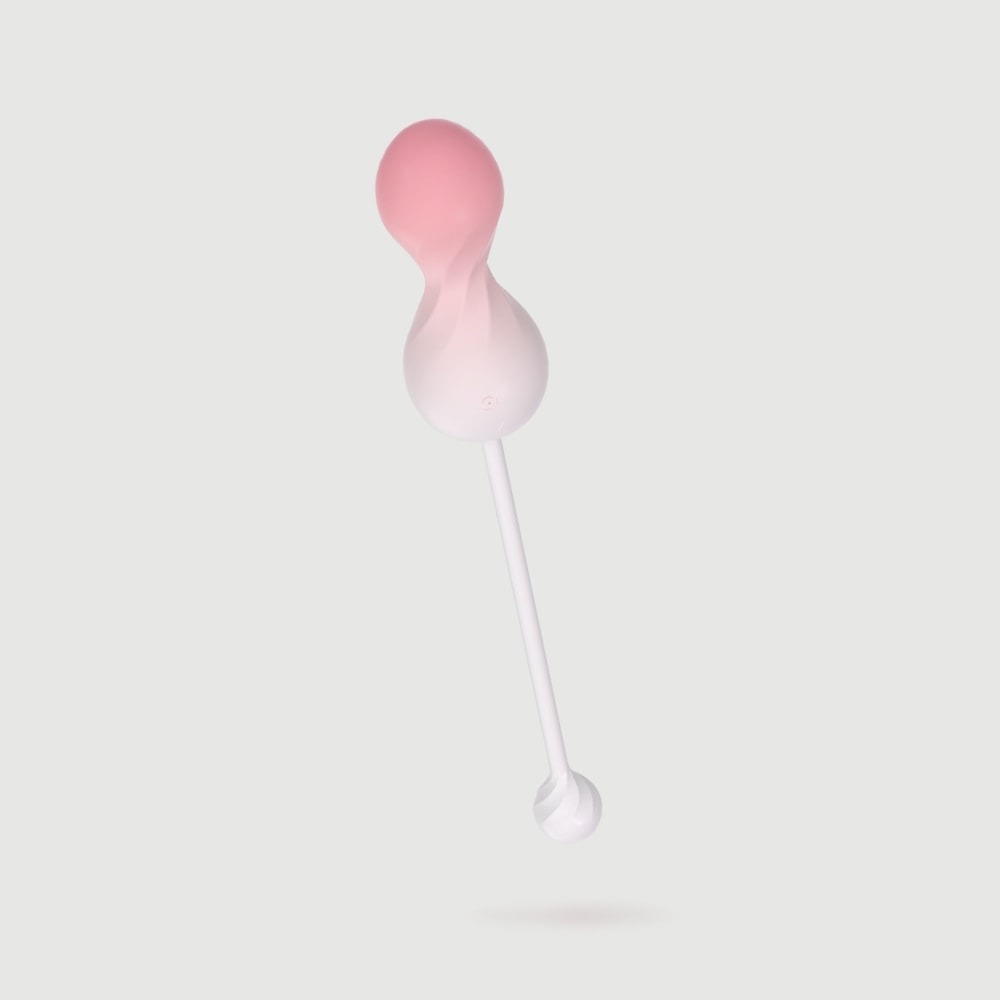
HHCOM Kiri combines pressure-sensitive feedback with 10 vibration patterns.
In pressure mode, the vibration intensity changes in response to detected pressure. This makes Kiri different from traditional weighted Kegel balls that focus mainly on weight.
The feedback feature is designed to create an interactive experience. You do not need to squeeze harder just to produce a stronger response. Comfort, breathing and the ability to relax should always come first.
Size: 213 × 35 × 35 mm
Weight: 52 g
Material: Silicone
Waterproof rating: IPX7
Charging: Magnetic charging
How to Use and Clean a Kegel Ball Safely
With any insertable wellness product, comfort and hygiene matter more than intensity. If you are new to Kegel balls, start in a position where your body can relax.
Before use
Wash your hands and clean the product. Read the controls and make sure your body feels relaxed before insertion.
During use
Keep breathing normally and never push through pain. Keep the retrieval end accessible.
After use
Remove it gently, wash with warm water and mild soap, rinse thoroughly and allow it to dry before storage.
Kegel Exercises FAQ
How do you do Kegel exercises correctly?
How many Kegels should you do a day?
Do you need Kegel balls to strengthen your pelvic floor?
What makes HHCOM Kiri different from a regular Kegel ball?
How long does it take for Kegel exercises to work?
Start by Understanding Your Body
Start with basic pelvic floor awareness, then decide whether an interactive product fits your needs and preferences. The goal is not to do more or squeeze harder, but to find a routine that feels comfortable and sustainable.
Explore HHCOM Kiri
View full product features, specifications and official product information.
Find HHCOM Retailers
Prefer to explore HHCOM products in person? View our official retail locations.
Health Information Sources
This article provides general health and product information and is not a substitute for individual medical advice, diagnosis or treatment.