

The Origin Story of a Pleasure Product: How It Quietly Changed the History of Women’s Pleasure
|
30-Second Summary: The Origins of Pleasure Products and Women’s Pleasure History
Who this is for: Anyone interested in the history of women’s pleasure products, women’s pleasure culture, the evolution of FemTech, and HHcom’s brand perspective.
Core idea: This is not just a story about product evolution. It is a cultural shift in which women gradually moved from being passively defined to reclaiming ownership of their own bodies.
Reading note: What matters most in the origin story of pleasure products is not who invented them first, but how they slowly changed the way women understand pleasure, health, and self-care.
If you are searching today for recommended pleasure products, women’s massagers, suction toys, or FemTech-related items, what you see is already part of a relatively open era: products have design value, brands talk about women’s health, and even intimate care and body exploration are being placed in a more natural and open context. But none of this was inevitable. Behind every women’s pleasure product is not just a product story, but a long cultural shift. From being medicalized, misunderstood, and too taboo to talk about, to a point where women can now speak more openly about pleasure, comfort, and self-care, this journey has taken a long time. If you want to look back at how women’s pleasure culture has evolved through the lens of contemporary products, you can also explore the HHcom full collection and rethink how women’s products have been defined through design, materials, and brand language. 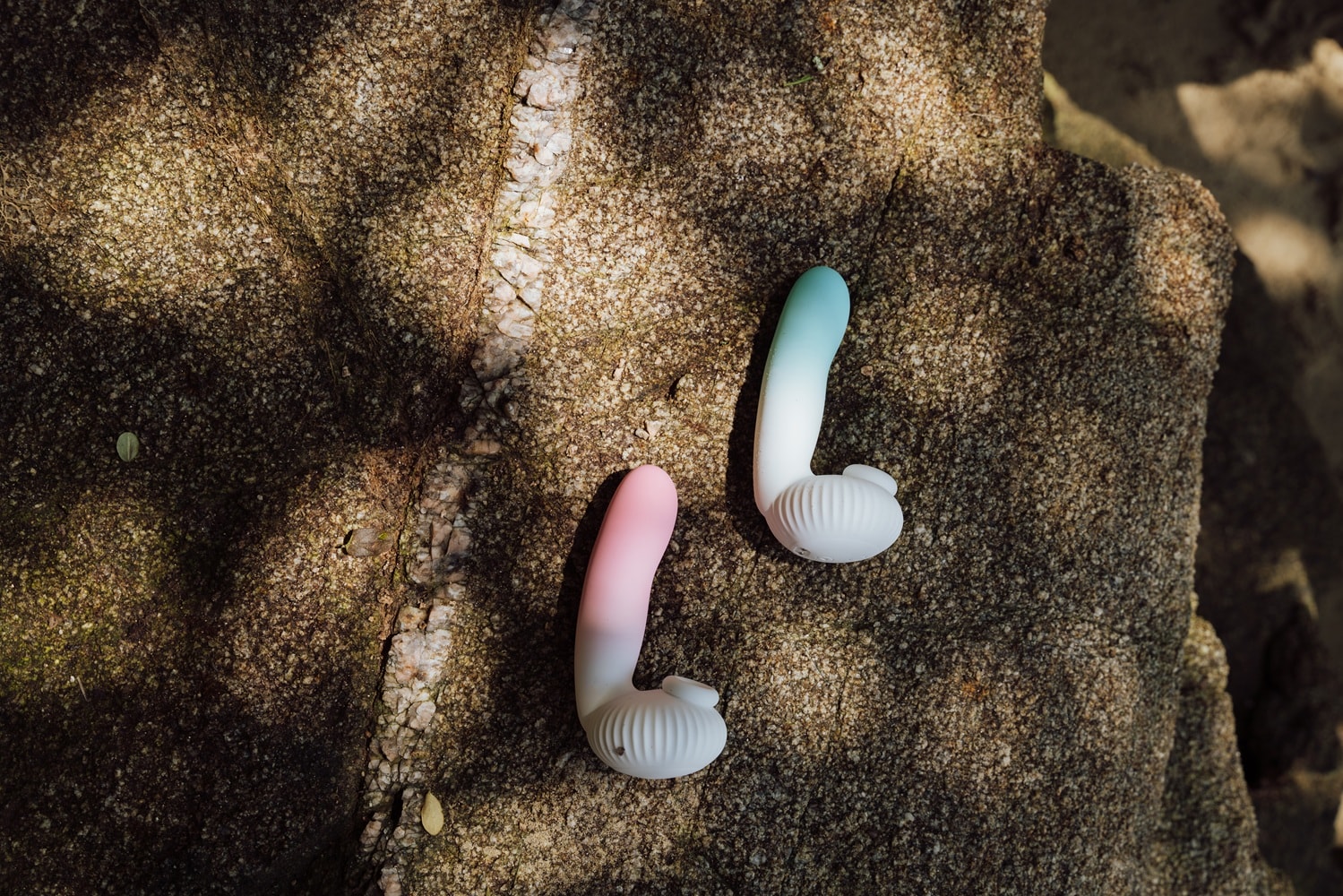
The real beginning of a pleasure product origin story is not the product itself, but how women’s bodies were understood
When people hear “the origin of pleasure products,” they often want to know what the earliest product looked like, who invented it, and in which era it appeared. But when we widen the lens, it becomes clear that the true beginning of this story is not a single object, but how society viewed women’s bodies, women’s desire, and whether women were allowed to speak for their own sensations.
For a long time, women’s pleasure was not seen as a need worthy of being understood. It was often misread as an emotional issue, a health issue, or even a moral issue. When a society cannot openly understand women’s bodies, it also cannot easily accept products created for women. That is why the origin of pleasure products is not simply a technical origin story. It is the point at which women’s needs finally started to become visible.
In other words, the birth of a pleasure product may look like product design on the surface, but at a deeper level it is a cultural signal: women’s feelings were finally beginning to be acknowledged, discussed, and returned to their own lives.
HHcom Editorial View
For HHcom, women’s products are not first understood through “stimulation.” They begin with a more fundamental question: do women have the right to understand themselves? Without that shift, even the most refined product remains surface-level. What truly matters is whether it helps women move closer to their own bodies and feelings.
How was women’s pleasure once understood? From medicalization and misunderstanding to being renamed
Women’s pleasure history is worth discussing because for a long time it was not even treated as “pleasure.” Instead, it was packaged under other names. What matters here is not just historical detail, but how language shaped the way women understood themselves. When a feeling cannot be properly named, it is easily defined by someone else.
In earlier times, many needs related to women’s pleasure, bodily comfort, and release were not discussed in terms of “women have the right to pursue pleasure.” Instead, they were placed in frameworks of medicine, emotion, stress relief, or correction. That naming placed a layer of outside judgment between women and their own bodies. A woman could feel something, but might not be able to say what it was. She might need care, but might not be allowed to call it a need.
Pleasure products later became important in changing women’s pleasure history not only because they provided tools, but because they slowly turned “women’s joy” from something described indirectly into something women could speak about directly. That shift in language is in many ways deeper than the product itself.
How did pleasure products change women’s pleasure history? Not because they were novel, but because they returned agency to women
When we talk about changing women’s pleasure history, we are not talking about a product suddenly appearing. We are talking about a change in who gets to decide how women understand their own bodies. When a product no longer exists only inside the frameworks of shame, secrecy, medicine, or curiosity, but becomes a tool women can actively choose, actively understand, and actively explore with, history begins to shift.
The true change brought by pleasure products is agency. They mean women no longer have to wait for others to define their needs, nor do they have to hand over all understanding of pleasure, comfort, and intimate sensation to outside standards. They can begin from their own rhythm and decide what feels good, what creates pressure, what boundaries they want to keep, and what they may want to explore slowly.
That is why a pleasure product can look like a commodity in historical terms, yet function like a form of practical freedom in cultural terms. It does not prescribe one version of happiness for women. It tells them: you are allowed to define it yourself. 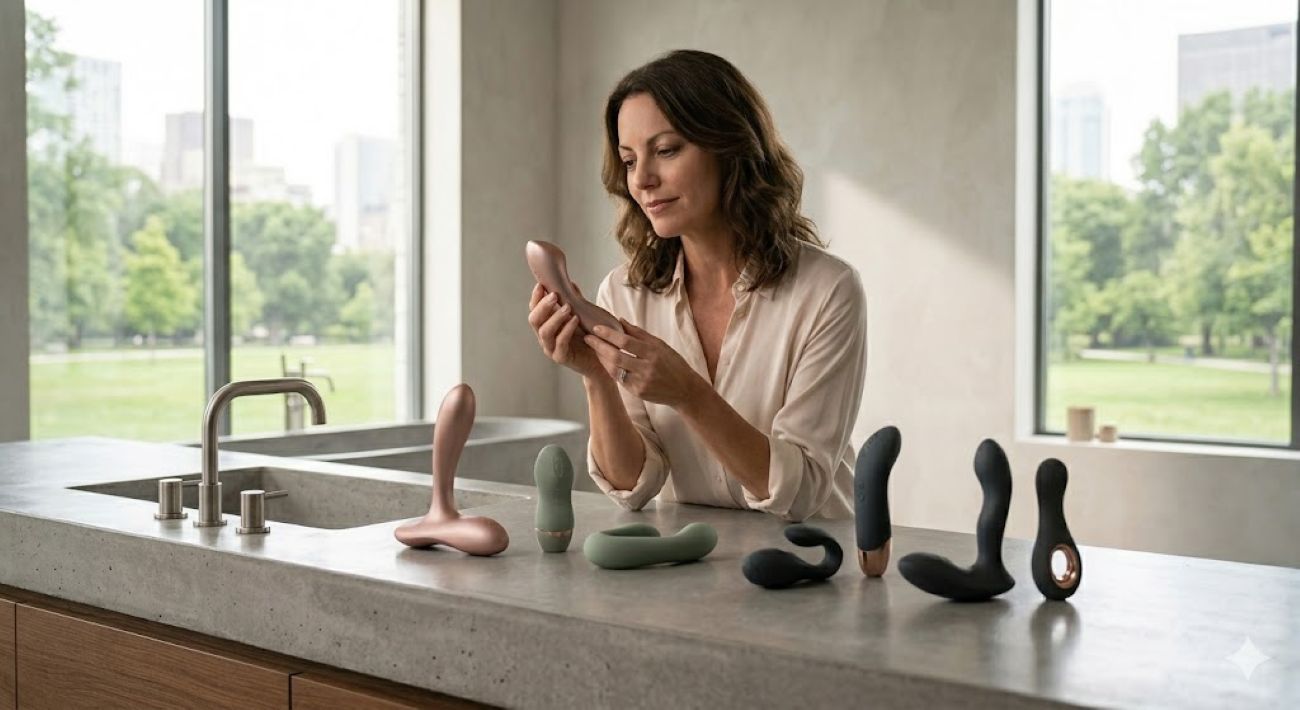
| Stage | How women’s feelings were understood | The role of pleasure products | Meaning of the change |
|---|---|---|---|
| Early stage | Misunderstood, medicalized, and indirectly described | Not designed around female subjectivity | Women’s feelings were difficult to name |
| Transition period | Started to be seen as part of intimate personal needs | Became a tool for exploration and comfort management | Women began to reclaim agency |
| Contemporary era | Placed back into the language of health, pleasure, and self-care | Became part of lifestyle products and FemTech | Women can speak more openly about themselves |
HHcom Editorial View
What matters to us is whether a product gives women more choice, not more pressure. What truly changed women’s pleasure history was never one particular function. It was the moment women could finally say, without shame, “this belongs to my needs.”
From shame to self-care: why women’s pleasure products are no longer just secrets, but part of life
The biggest change in women’s products today is not simply that there are more of them. It is that the language around them has changed. In the past, pleasure products were often hidden in frameworks of secrecy, taboo, vulgarity, or improper desire. Now, more and more women are viewing them through a broader and more complete lens: they can exist alongside stress relief, intimate care, body exploration, relationship quality, self-soothing, and self-healing.
This may look like market maturity, but it is actually closer to cultural maturity among women. Because when a society allows women to say, “I want to understand myself better,” “I want to feel more comfortable,” or “I want to choose something better for myself,” it means women no longer have to hide all of their needs in a gray zone.
That is also why women’s pleasure products matter: not only because they make pleasure more concrete, but because they make self-care feel less like something that must be constantly explained. When a product can naturally sit within lifestyle choices, health management, and body awareness, it stops being just a product and becomes a small but meaningful part of women’s autonomy.
How does HHcom understand this history? From women’s pleasure history to the present, products are not just tools, but a gentle proposition
If we bring this history back into the present, what HHcom cares about is not simply making a functional product. It is responding to a deeper question: can women today finally understand their bodies in a way that is gentler, freer, and less judged?
That is why HHcom’s brand language does not stop at stimulation or features. It places more emphasis on elegance, purity, women-friendly design, intimate wellness, emotional relaxation, and aesthetic value. Because truly mature women’s products should not only be usable—they should also be lovable, understandable, and able to naturally fit into life.
From one perspective, contemporary brands like HHcom are continuing the next chapter of women’s pleasure history. Not only by giving women products to choose from, but by making them feel, through the act of choosing, that they deserve to be treated better.
FAQ
What is the most important thing in the origin story of pleasure products?
Why are pleasure products said to have changed women’s pleasure history?
Is women’s pleasure history connected to FemTech?
What is the biggest difference between talking about women’s pleasure products now versus in the past?
What role does HHcom represent in this history?
When women begin to speak openly about their needs, history has already changed
The origin story of pleasure products is not just the history of a single product. It is the process by which women slowly reclaim bodily agency, language, and the right to choose.
See Featured Products
Start from the perspective of contemporary women’s products and body care, and choose something that better fits your rhythm.
Read More
Keep exploring topics on intimate care, relaxation, and women’s wellness.
Further Reading
- If you want to continue exploring women’s products from a contemporary product perspective: More HHcom articles on women’s wellness and product curation
- If you want to directly compare different product types: HHcom Full Collection