
Woman holding 'My Body My Choice' sign, advocating for women's rights.

What Does a Female Orgasm Really Feel Like? How Do You Know If It Counts?

Reviewed by the HHCOM Editorial Team

|

Last updated: 2026-03-24

30-Second Key Takeaway: What Does an Orgasm Actually Feel Like?

The most important thing to know: There is no single standard answer to what a female orgasm feels like. It does not always feel explosive, and it is not always dramatic or obvious.

Common sensations: Some women describe it as tingling spreading outward, some feel contractions in the lower abdomen, some experience shaking legs, warmth, a brief mental blankness, or simply a feeling of “maybe I reached it, but I’m not fully sure.”

Core idea: Orgasm is not a performance, and it is not a test. If what you feel is real to your body, it matters.

Hi, I’m Joe, founder of HHCOM. HHCOM is a Taiwanese FemTech pleasure and wellness brand that takes women’s body exploration seriously. Many people have heard others describe orgasm in completely different ways: some say it feels like they are about to pee, some say their legs tremble, some say their mind suddenly goes blank. With so many different descriptions, it is natural to wonder — what actually counts as an orgasm?

The truth is, female orgasm has never been one fixed format. It can be intense, or very gentle. It can be obvious, or it can feel like a subtle but real release. In this article, we want to go through the most common questions one by one, clearly and calmly.

First, remember this: orgasm is not a dramatic effect — it is a bodily response

Many people assume orgasm has to look intense, theatrical, or exaggerated, like in films or media. But in real life, many women experience orgasm in ways that are quieter, more subtle, and deeply personal. You do not have to react like someone else for it to be real.

8 Most Frequently Asked Questions About What Female Orgasm Feels Like 8 common questions about female orgasm

Q1 | Does orgasm always feel like an “explosion”?

Not at all. This is one of the most common misunderstandings. Films and exaggerated descriptions often portray orgasm as a dramatic event — rapid breathing, full-body shaking, screaming, and total loss of control. But that is only one version, and often not the most common one.

From a physiological point of view, orgasm is centered on quick, involuntary contractions of the pelvic floor muscles along with a release response in the nervous system. Those contractions may be strong, or they may be very mild. Some people feel warmth spreading, some feel brief tightening in the lower abdomen, and some simply feel tingling followed by a deep sense of release. If that response genuinely happened in your body, it counts.

Q2 | If I feel tingling, does that count as orgasm?

It can. This is often described as a mini orgasm, and it is recognized in clinical discussions as well.

Its typical pattern is that stimulation builds to a certain point, and the body experiences mild contractions, tingling, or a sense of release — but in a gradual way, without a sharply defined peak. Afterward, you may think, “I think I got there, but I’m not fully sure.”

That does not mean something is wrong with your body, and it does not mean you were not “into it enough.” For many women, this is one of the most common forms their orgasms take. Constantly chasing a more dramatic type can actually make it harder to relax.

Q3 | I can orgasm by myself, but never with a partner. Is that my problem?

No, and this is actually very common. Many women do not orgasm from penetration alone during partnered sex, but respond more easily during solo exploration.

The reason is closely related to anatomy: for most women, the main source of stimulation is the clitoris, and much of the most responsive clitoral structure is external rather than deep inside the vagina. Penetration alone often provides limited stimulation to that area, so it is naturally less likely to produce orgasm directly.

In other words, if you can feel pleasure on your own, that means you already understand important things about your body’s preferences. That is not a problem — it is actually a major strength.

Q4 | Do clitoral orgasm and G-spot orgasm really feel different?

For many people, yes, they do feel different. Clitoral orgasm is often described as more focused, clearer, and more localized, with stronger external contractions. G-spot orgasm is often described as deeper, more spreading, more pressure-based, and sometimes even accompanied by a sensation similar to needing to urinate.

However, anatomically speaking, these are not completely separate systems. The G-spot area is thought to be closely connected to the internal extension of the clitoral structure, so the nerve pathways overlap significantly.

That also helps explain why stimulating both areas at the same time often feels especially intense. As for the old idea that “vaginal orgasm is the real orgasm,” that is no longer the framework used in modern sex science.

Q5 | I’ve tried many times and still feel almost nothing. Is there something wrong with my body?

In most cases, not necessarily. After ruling out medication effects or specific pain conditions, the most common reasons are actually mental state and stimulation style.

One of the biggest barriers is having too strong a goal in mind. If you begin with the pressure of “this time I must orgasm,” your brain can easily shift into monitoring mode, which suppresses the actual experience of feeling. Sexual response depends on a degree of relaxation and letting go of control — and monitoring is the opposite of that.

It may also simply be a matter of method. Many people instinctively stimulate the center of the clitoris directly, but that area can sometimes be too sensitive, making direct friction uncomfortable. Circling around it or using indirect stimulation is often more effective.

If you truly suspect there may be a physiological reason, it is perfectly okay to speak with a gynecologist or a sexual health specialist. It is no different from seeking help for any other bodily concern.

Q6 | Does orgasm from a vibrator feel the same as orgasm during sex?

Not exactly, but neither one is “better.” They are simply different dimensions of experience.

Orgasm from a vibrator is usually easier to predict and easier to repeat. The vibration pattern is stable, the stimulation point is precise, and you do not need to divide your attention between communication, timing, or another person’s rhythm. Your brain can focus more fully on sensation.

By contrast, orgasm during partnered sex is often less controllable, but it includes more emotion, intimacy, and relational connection. Some people love that layered feeling. Others honestly find it easier to orgasm with a tool than with a partner. Both are completely normal.

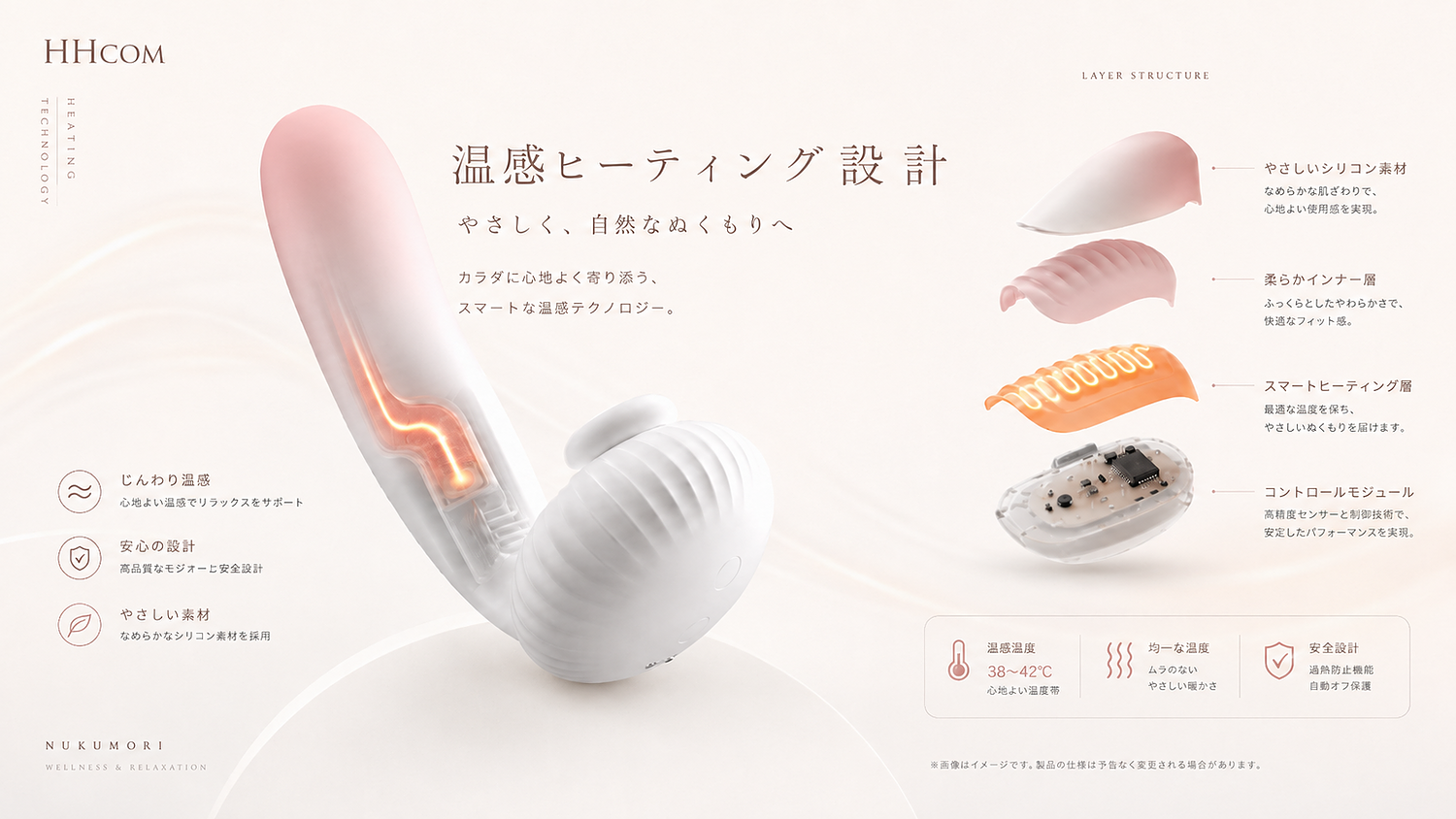
In fact, using a well-designed vibrator over time often helps you learn which position, pace, and rhythm your body responds to best. That understanding can then carry over into partnered intimacy and help you guide a partner more clearly. HHCOM’s Cloud Wand, for example, places special emphasis on the grip of soft silicone and rhythm variation, aiming to make the experience feel gentler, more realistic, and easier for the body to relax into.

Q7 | After orgasm, there’s a period when touching feels uncomfortable. Is that normal?

Completely normal. This is a standard physiological response often called the post-orgasm hypersensitive phase. After orgasm, the clitoris and surrounding tissues can remain highly sensitive for a short period. At that point, even a very light touch can instantly shift from pleasurable to uncomfortable, or even slightly painful. Usually, the body gradually settles down again after a few seconds to a few minutes.

Q8 | I squirt. Does that mean I had an orgasm?

Squirting is actually a separate physiological event from orgasm. They can happen together, but they can also happen independently.

Some people squirt without feeling a very obvious orgasm. Others have very strong orgasms and never squirt at all. There is no absolute cause-and-effect relationship between the two.

So being able to squirt does not mean you are “better” at orgasming, and not squirting does not mean you are missing something. It is simply one kind of body response that may appear under certain kinds of stimulation.

A Note from HHCOM

There is no single correct answer to orgasm. Everyone’s map of sensation is different. Forcing yourself to “reach the standard” in one particular moment usually only makes the experience more tense. Instead of chasing one fixed outcome, it is far more meaningful to slowly get to know yourself and allow your experience to be different from someone else’s.

Final Summary: What Counts as an Orgasm?

If this entire article had to be condensed into one sentence, it would be this: There is not just one way orgasm is supposed to feel. If your body genuinely experiences contraction, release, tingling, relaxation, or a peak sensation, that may very well be your orgasm.

Some people experience it strongly, some quietly. Some respond more to external stimulation, while others feel more through deeper internal pressure. These differences are not flaws — they are simply natural variations in human bodies.

We hope you can explore your inner sensations freely, gradually build your own language of pleasure, and experience yourself with more softness, confidence, and understanding.

HHCOM Recommended Exploration

Start by Understanding Your Own Orgasm Sensations and Find the Exploration Style That Fits You Best

Whether you are just beginning to understand your body or hoping to explore different kinds of stimulation more deeply, finding the rhythm that suits you often matters more than chasing a particular “correct” response.

For the latest styles and options, please refer to the official website
Reading Reminder:

1. Orgasm feels different from person to person. There is no fixed template.
2. Finding it easier to feel pleasure during solo exploration does not mean there is a problem in partnered intimacy.
3. If you experience long-term pain, complete lack of sensation, or clear distress, consider consulting a medical professional.
4. There is no hierarchy between using a tool and exploring with your hands. What matters is what suits you.
5. Bodily sensation is real and private. There is no need to compare yourself to anyone else.

Your Orgasm Does Not Need to Look Like Anyone Else’s

Start by understanding your own rhythm, and you will gradually discover what kind of pleasure experience truly suits you.

Explore Featured Products

Choose the HHCOM styles that best suit your current stage of exploration.

Learn More

Browse the Collection

From beginner to advanced, slowly find what responds best to your body.

Visit Store

Read More

Continue learning about FemTech, intimate exploration, and women’s wellness topics.

Keep Reading

Further Reading

Similar Posts

  • | | | |

    A Guide to Comparing Materials for Women’s Pleasure Massagers

    Women’s Intimate Wellness Knowledge | Material Comparison | Beginner Buying Guide
    Why do some women’s pleasure massagers feel silky-smooth and delicate, while others feel harder, colder, or even carry a slight plastic smell? The difference is often not just about the design, but about the core factor that matters most: the material . In this article, we’ll help you understand the differences between solid plastic, standard silicone, and liquid silicone, so you can choose a massager that feels more comfortable, more reassuring, and more suited to you.
    women’s pleasure massager massager materials liquid silicone massager solid plastic massager best beginner massager

    Key Takeaways

    • Solid plastic is usually firmer and more budget-friendly, but its feel and skin comfort tend to be more direct.
    • Standard silicone feels softer than plastic and is a common material in many mid-range to premium women’s intimate products.
    • Liquid silicone is often seen as a premium material, offering better delicacy, a more cushioned feel, and a more refined overall texture.
    • Material affects not only how a product feels in your hand, but also first impressions, reassurance, odor perception, and cleaning experience.
    • For beginners who care about comfort, skin-friendliness, and psychological ease, choosing the right material is often more important than chasing more features.

    Why Is the Material of a Women’s Pleasure Massager So Important?A Guide to Comparing Materials for Women’s Pleasure Massagers

    When shopping for a women’s pleasure massager, many people first look at appearance, features, vibration modes, or price. But once the product actually comes into contact with the body, what most directly shapes the experience is often not the motor specifications, but the material on the product’s surface.

    Even among massagers, some feel like a luxury self-care tool in your hand—soft, delicate, and not cold at all—while others may feel hard, overly slick, obviously plastic-like, or even release an unpleasant smell right after unboxing. For women who are trying this type of product for the first time, these subtle details matter a lot because they directly affect psychological comfort, acceptance, and whether you will want to keep using it.

    From HHCOM’s point of view, a truly good women’s product should not focus only on feature count or intensity. It should take seriously every inch of material that touches the skin. Because women’s intimate products are not just tools—they are also part of building trust with your own body.

    What Materials Are Commonly Used in Women’s Pleasure Massagers?

    The materials commonly used in women’s pleasure massagers can generally be divided into three categories: solid plastic, standard silicone, and the increasingly valued liquid silicone. These materials influence touch, softness, visual texture, odor perception, and cleaning habits, which is why they often create noticeable differences in price and positioning.

    1. Solid Plastic

    This is often found in entry-level products or models with certain structural designs. It usually has a clean, firm appearance and stable shape, but the feel against the body tends to be more direct.

    2. Standard Silicone / Solid Silicone

    This is one of the most common mainstream materials in women’s intimate products. Compared with plastic, it offers more flexibility, feels softer, and is better at creating a skin-friendly experience.

    3. Liquid Silicone

    This often appears in products that place greater emphasis on feel and overall quality. Its finer surface texture and skin-like softness usually create a gentler overall experience, which is why it is often regarded as a premium material.

    What Is Solid Plastic? A Simple Look at the Pros and Cons

    Solid plastic usually refers to a rigid plastic shell that maintains a firm structure after molding. Its biggest characteristics are structural stability, high firmness, and relatively controlled production cost. Because of this, it is common in certain beginner-friendly items, feature-specific designs, or products that aim to provide a more clearly defined sense of pressure.

    Advantages of Solid Plastic

    • Firm structure that delivers more direct pressure in targeted areas.
    • Easy to shape cleanly, making it suitable for precision-oriented designs.
    • Usually lower in cost, so it is common in more affordable options.
    • Its surface usually does not deform easily, making storage simple and straightforward.

    Things to Consider About Solid Plastic

    • The feel is more direct, which may not provide enough softness or cushioning for sensitive users.
    • It may feel cold and hard on first contact.
    • If the surface finish is average, the plastic feel may become very obvious.
    • Some users are especially sensitive to plastic smell or a low-cost impression.

    In other words, solid plastic is not necessarily a bad choice. It can suit people who already know they prefer a more defined sensation, do not prioritize softness, or have a tighter budget. But if you care a lot about skin feel, texture, and first impressions, silicone-based materials are usually the more appealing direction.

    What Is Standard Silicone / Solid Silicone?

    Standard silicone is one of the most common materials used in women’s intimate products. Compared with solid plastic, the most noticeable difference is that it is softer, more flexible, and closer to the kind of touch that skin naturally accepts. That is also why many people feel that a silicone massager seems less like a tool and more like an item made to be in contact with the body.

    Standard silicone is popular not only because it is soft, but because it often balances appearance, comfort, and reassurance well. For many beginners, it is a well-rounded option: not as direct as plastic, but also not as expensive as some higher-end materials.

    Advantages of Standard Silicone

    • More flexible than plastic, with a gentler feel on contact.
    • Higher skin-friendliness, and often considered a basic upgraded material for women’s products.
    • Usually has a softer matte appearance and a more refined hand feel.
    • Suitable for most beginners and easier to accept at first touch.
    • A wide range of options is available across mid-range and premium products.

    Things to Consider About Standard Silicone

    • Different grades of silicone can vary greatly in delicacy and texture.
    • Some surfaces attract dust easily, so storage and cleaning may require more care.
    • If the workmanship is average, the hand feel may still lack refinement.
    • Not every product labeled “silicone” offers the same level of comfort.

    So when looking at “recommended silicone massagers,” it is not enough to stop at the word silicone on the product page. You should also consider the surface finish, softness, odor control, and overall workmanship.

    What Is Liquid Silicone? Why Is It Often Considered a Premium Material?

    Liquid silicone is often seen as a more refined material choice for products that prioritize comfort and texture. For most consumers, there is no need to understand it like an industrial material textbook. What matters is this: it often feels more delicate, smoother, more skin-friendly, and more luxurious overall.

    When many women first try a liquid silicone product, what stands out is not how many features it has, but the fact that it does not feel like a cold, mechanical object. The surface tends to be softer, the edges more naturally finished, and the overall cushioning effect more relaxing. For people who are sensitive to materials, hand feel, or odor, liquid silicone often inspires trust more easily.

    Why Liquid Silicone Is Often Loved

    • Its touch is delicate and silky, with a more premium surface finish.
    • It feels more skin-friendly and less rigid on contact.
    • It provides a better cushioned feel and creates a gentler first impression.
    • For people who care about odor, it often feels better controlled in this area.
    • It is commonly found in products that place more emphasis on women’s comfort, aesthetics, and long-term user experience.

    That is why brands that truly care about women’s bodily experience often invest more in material details instead of relying only on feature lists. Liquid silicone is considered premium not just because of price, but because it is better at delivering comfort, quality, and reassurance all at once.

    Solid Plastic vs Standard Silicone vs Liquid Silicone

    Comparison Item Solid Plastic Standard Silicone Liquid Silicone
    Touch More direct and firmer Softer and more flexible Silky, delicate, and more cushioned
    Softness Low Medium Medium to high
    Skin-friendliness Average Good Best
    Odor Perception More noticeable Depends on grade Usually better controlled
    Visual Texture More functional-looking Softer matte finish, more refined Clearly premium-looking
    Ease of Cleaning Easy to wipe clean Moderate, depends on surface Moderate to good, depending on finish
    Beginner Friendliness Lower Medium High
    Comfort-Oriented Experience Less ideal Well balanced Highly suitable
    General Price Impression More affordable Mainstream mid-range Mid-range to premium

    If you are only asking whether a product is usable, all three materials have their place in the market. But if what you care about is comfort, relaxation, and a refined experience for women, standard silicone and liquid silicone are generally easier to accept.

    Common Myth: Does Material Only Affect How It Feels to the Touch?

    No. Material influences far more than hand feel alone.

    For many women, the very first thing they notice when encountering a product is not the specifications, but the body’s instinctive response. If something feels too hard, too cold, or too plastic-like, it may create hesitation before use even begins. On the other hand, if it feels soft, looks clean, has minimal odor, and has a refined surface, it becomes much easier to accept psychologically.

    So material affects first impressions, reassurance, willingness to try, ability to relax, and the desire to continue using the product in the future. That is exactly why brands that truly understand women’s products place material selection at the very front of their priorities.

    Why Does Material Affect Women’s User Experience?

    When many beginners search for “how to choose a women’s massager,” they tend to focus first on looks and functions. But once they seriously begin comparing options, they often realize their real concerns are different: Will it feel too hard? Will it smell like plastic? Will it feel uncomfortable to touch? Does the surface look clean and refined enough?

    All of these questions are shaped by material. Material affects how warm or cold a product feels, how its surface interacts with the skin, how it looks visually, and how easily it allows the user to relax. For women, this is not overthinking—it is a very real physical experience. Especially because intimate products already come with a higher psychological barrier, the more delicate and skin-friendly the material feels, the easier it is to feel that the product was designed for you, rather than being just another cold device.

    Seen from this angle, women’s products should not only be discussed in terms of function—they should also be discussed in terms of feeling. The product that stays with you long-term is not always the one with the most complicated specifications, but the one you feel comfortable picking up, touching, cleaning, and using again.

    How Does Material Relate to Cleaning and Care?

    Differences in massager materials do not just show up in hand feel—they also affect how easy a product is to clean in everyday life. In general, products with finer surfaces and better seam finishing are easier to clean and visually easier to keep looking tidy.

    Solid plastic is often easier to wipe clean, but if the overall workmanship is average, users may still feel that it looks or feels inexpensive. Standard silicone and liquid silicone place more emphasis on skin-friendliness and comfort, but certain matte finishes may require extra care during storage because they can attract dust or fibers more easily.

    No matter which material you choose, it is generally recommended to let the product dry in a clean, well-ventilated area after cleaning, and to store it carefully rather than mixing it loosely with other materials for long periods. For consumers who care about body-friendly intimate materials, a good product should feel reassuring not only during use, but also during cleaning and care.

    When pairing the product with lubricant, it is also wise to check the product material and instructions first, so you can choose a more suitable type and maintain both the material and the experience in better condition.

    How Should Beginners Choose the Right Massager Material?A Guide to Comparing Materials for Women’s Pleasure Massagers

    1. If You Have a Limited Budget

    Start by understanding the differences in experience created by each material, then think about what matters most to you. Solid plastic may be an easier entry point if you are just beginning to explore the market, but you should be prepared that it may not offer the gentlest first impression.

    2. If You Care a Lot About Comfort and Skin Feel

    Standard silicone is a more balanced choice than plastic. If you are especially sensitive to touch and also care about a premium feel and a more relaxing experience on contact, liquid silicone is usually worth prioritizing.

    3. If You Are Sensitive to Smell

    Then material and workmanship matter even more. Many people search for “how to choose a massager without odor,” but the answer is usually not about fragrance—it is about whether the base material and surface treatment are mature enough. Products that truly value material quality usually handle this detail better as well.

    4. If It’s Your First Time and You Want Lower Psychological Pressure

    Prioritize materials that do not feel too cold, too rigid, or too harsh, and that look clean and gentle. Very often, what beginners really need is not the strongest function, but the reassurance of feeling, “This product doesn’t make me feel pressured.”

    5. If You Care About Appearance and Texture

    Then liquid silicone or high-quality silicone products will usually better match your expectations. For many women, a product is not just a tool, but a private, personal selection. Its presence, design language, and touch all shape the way you care for yourself.

    HHCOM’s Perspective: Women’s Products Should Not Be Defined by Function Alone

    HHCOM has always believed that the value of women’s products should not stop at vibration levels, waterproof ratings, or suction descriptions on a specification sheet. It should return to something more essential: whether a woman feels safe, comfortable, elegant, and relaxed enough to explore herself when she comes into contact with the product.

    That is why HHCOM places particular importance on material, grip, visual spaciousness, surface detail, and the product’s overall bodily feel. We want women to feel respected the moment they pick up a product—not pressured. Not rough, not cheap, not focused only on intensity, but centered again on the body and on feeling itself.

    To HHCOM, a good women’s intimate product is a choice that combines Japanese artisan sensibility, awareness of intimate wellness, and a sense of everyday aesthetics. Material matters not only because it feels good, but because it quietly changes the way you relate to your own body.

    Conclusion: Choosing the Right Material Matters More Than Having More Features

    Let’s return to the original question: how should you choose the material of a women’s pleasure massager? If what you care about is comfort, skin-friendliness, texture, reassurance, and a long-term user experience, then material truly deserves to come first in your buying decision.

    Solid plastic has its own place and purpose in the market, but for most women who care about how a product feels, standard silicone is often a more approachable starting point. And if you want the overall experience to feel gentler, finer, and more cared for, liquid silicone is usually closer to the ideal answer.

    After all, choosing the right material is not just about buying one product—it is about choosing a gentler, more reassuring way to relate to yourself. Understanding your preferences is never something to be embarrassed about; it is a mature and elegant form of self-care.

    FAQ | Frequently Asked QuestionsA Guide to Comparing Materials for Women’s Pleasure Massagers

    Q1: What material is best for a beginner’s massager?

    If it is your first time trying a women’s pleasure massager, standard silicone or liquid silicone is usually the better place to start. These materials are generally softer, more skin-friendly, and easier to accept psychologically than solid plastic.

    Q2: Is a liquid silicone massager always better?

    Not necessarily in every case, but if you care about delicate touch, skin-friendliness, visual refinement, and an overall more relaxing experience, liquid silicone does usually offer a more premium and comfortable feel. Whether it is right for you still depends on your budget and personal preferences.

    Q3: Are intimate product materials safe?

    When shopping, it is worth paying close attention to whether the brand clearly explains its materials, workmanship, surface treatment, and overall product quality. For most consumers, rather than looking only at price, choosing a brand that values skin-friendliness, cleaning convenience, and user experience is more helpful in building reassurance.

    Want to Choose a More Reassuring, Better-Suited Premium Product?

    From material and touch to overall design, products that truly suit women are never just about comparing specifications. They begin with your body, your comfort, and your pace of life. May every choice bring you closer to the sense of ease and softness you are looking for.

    Suggested URL slug: silicone-vs-solid-plastic-vs-liquid-silicone-massager
  • | | | | |

    HH.COM × Japanese FemTech Producer Saki BabaInterpreting the Aesthetics of Women’s Wellness Through a Craftsmanship Perspective

    HH.COM × Japanese FemTech Producer Saki BabaInterpreting the Aesthetics of Women’s Wellness Through a Craftsmanship Perspective
    A Visual Portrait Collaboration with President Saki Baba
    HH.COM × Japanese FemTech Producer Saki BabaInterpreting the Aesthetics of Women’s Wellness Through a Craftsmanship Perspective

    As the wave of FemTech continues to reshape the world, HHCOM is honored to announce a special cross-border collaboration for this year’s brand image campaign with Ms. Saki Baba, a leading force in the FemTech industry in Fukuoka, Japan.

    HH.COM × Japanese FemTech Producer Saki BabaInterpreting the Aesthetics of Women’s Wellness Through a Craftsmanship Perspective

    President Baba not only brings a background in information engineering, but has also been deeply engaged in Japan’s women’s health sector since 2020, championing a vision of creating a society in which women can live with greater freedom.
    This collaboration is far more than a simple image campaign. It is a meaningful resonance between the brand philosophies of Taiwan and Japan. Through President Baba’s intelligent, confident, and gentle presence, we hope to express HHCOM’s core belief: HH is not merely a companion for intimate moments, but a technology-driven wellness product that supports modern women in exploring both body and mind while embracing a more conscious approach to self-care.

    In this series of naturally inspired visuals, President Baba and the product are seamlessly woven into the surrounding landscape, creating an atmosphere of quiet harmony.
    The shoot was intentionally set on a small island in Japan, away from the rush of the city, in order to capture the sense of healing and ease that can only emerge when one is immersed in an authentically natural environment. Through this dialogue with nature, the brand’s vision of comfort, restoration, and gentle freedom comes to life.

    Through the refined perspective and craftsmanship-inspired sensibility of Japan, HHCOM hopes to gently challenge conventional perceptions of intimate products, bringing a new sense of healing and sophistication into the everyday lives of women.
    Moving forward, HHCOM will continue to introduce the latest wellness concepts from Japan, accompanying every woman as she embraces a more natural, confident, and liberated version of herself.

  • |

    Beginner’s Guide to Kegel Exercises

    Reviewed by the HHcom Editorial Team

    |

    Last updated: 2026-03-09

    Quick Take in 30 Seconds: Kegel Exercises Made Simple

    Best for: Women who sit for long hours, those rebuilding healthy habits after childbirth, and anyone who wants to improve pelvic floor awareness and intimate self-care.

    Key benefits: Helps you better connect with your pelvic floor muscles, supports daily comfort and control, and encourages a gentle, sustainable self-care routine.

    How to choose your starting point: For beginners, the goal is not doing more repetitions, but learning how to engage the right muscles correctly. If that feels hard to identify, pairing your practice with the Mist Veil | Kegel Smart Ball can make it easier to get started.

    You may have heard the term Kegel exercise, but still feel unsure about how to begin. In reality, Kegel exercises are not just for postpartum recovery—they are a valuable self-care habit for many modern women. Whether you spend long hours sitting, feel out of touch with your body, are recovering after childbirth, or simply want to improve pelvic floor awareness and a sense of inner support, pelvic floor training can be an excellent place to start. In this article, we will walk you through what Kegel exercises are, what benefits they may offer, how to do them, and how beginners can more easily find the right muscles and movement patterns. If you have ever thought, “I’m trying, but I’m not sure I’m doing it correctly,” this guide is for you. If you are also exploring gentle intimate wellness tools that fit your body and lifestyle, you can browse the HHcom full product collection to discover items by material, function, and daily use.Beginner’s Guide to Kegel Exercises

    What Are Kegel Exercises, and Why Do Modern Women Need Them?

    Kegel exercises are a type of training that involves gently contracting and relaxing the pelvic floor muscles. These muscles sit at the base of the pelvis and act like a supportive hammock for the bladder, uterus, and surrounding tissues. They are also closely connected to everyday comfort, core support, and intimate body awareness.

    Long hours of sitting, aging, childbirth, limited movement, and lifestyle habits can all contribute to reduced pelvic floor strength or awareness. This may show up as a feeling of looseness, slight urine leakage when coughing or sneezing, less core stability, or difficulty sensing contraction and release in the intimate area. The goal of Kegel exercises is not to strain hard, but to rebuild awareness and coordination through gentle, consistent practice.

    For beginners, the most important part is not doing more repetitions—it is learning where these muscles are and whether you can truly feel them engaging and relaxing. The more clearly you can sense the pelvic floor, the more effective and comfortable your long-term practice may become.

    From the HHcom Editorial Team

    Many women care about intimate wellness, but are not always sure where to begin. Kegel exercises are a gentle and approachable starting point because they do not require much space or complicated equipment, yet they can help you gradually reconnect with your body. At HHcom, we believe the focus should not be speed or pressure, but helping women feel comfortable, supported, and confident as they learn more about their bodies.

    Why Try Kegel Exercises? 5 Benefits Worth Knowing

    Many people search for Kegel exercises because they want to know what the real benefits are. When done correctly and consistently, Kegel exercises can be a helpful part of women’s daily wellness and pelvic floor care. Here are five commonly recognized benefits.

    1. Better awareness of the pelvic floor: The most fundamental purpose of Kegel exercises is learning how to activate the pelvic floor muscles. Being able to feel the difference between contraction and release is an important first step.

    2. Support for mild everyday bladder control concerns: If you notice slight leakage when laughing, coughing, sneezing, or jumping, the pelvic floor may need more support. Regular practice can help improve your sense of control.

    3. Better core support and body stability: The pelvic floor does not work alone. It is connected to your body’s deep support system. Learning to use these muscles can contribute to a more stable and grounded body awareness.

    4. Greater intimate awareness and body confidence: Kegel exercises are not just about muscle training—they are also about reconnecting gently with your body. Improving awareness of contraction and release can help you feel more in tune with yourself.

    5. Easy to build into daily self-care: Whether you work at a desk, stand for long hours, have recently given birth, or simply want a softer wellness habit, Kegel exercises are easy to begin in just a few minutes a day.

    A gentle reminder:

    Kegel exercises are meant to be gentle. You do not need to hold your breath, strain, or push yourself to do many repetitions at once. Finding the right muscles and practicing consistently matters more than intensity.

    How to Do Kegel Exercises: A Beginner-Friendly 3-Step Guide

    Even if you know what Kegel exercises are, you may still feel unsure about how to do them correctly. For beginners, the first goal is not quantity—it is locating the right muscles. Once that foundation is in place, practice becomes much more meaningful.

    Step 1: Find the pelvic floor muscles. Imagine the feeling of stopping the flow of urine, or gently lifting inward from the vaginal area. The sensation should feel subtle and internal—not like squeezing your thighs or clenching your buttocks. It is completely normal if this feels unclear at first.

    Step 2: Practice contracting and relaxing. Once you think you have located the area, start by gently tightening for 3 seconds, then relaxing for 3 seconds. Repeat 5 to 10 times. It is more important to relax fully after each contraction than to keep going for a long time.

    Step 3: Make it part of your routine. Try practicing after a shower, while drying your hair, before bed, during a quiet moment at home, or while resting. Like skincare, Kegel exercises work best when they become a natural part of your daily rhythm.

    Category Beginner Practice Progressive Practice With Supportive Tools
    Main focus Finding the correct muscles Building more control and stability Making body awareness more intuitive
    Suggested rhythm 3 seconds contract / 3 seconds relax Gradually increase based on comfort Practice along with guided feedback
    Best for Those just starting out Those with stable body awareness Those who struggle to find the right muscles

    From the HHcom Editorial Team

    Many beginners focus first on how many times to do Kegel exercises. But what matters most is sensing the movement correctly. Before increasing intensity, it helps to check whether you are engaging the pelvic floor or accidentally tightening your thighs, buttocks, or lower abdomen instead.

    Common Kegel Exercise Mistakes: 5 Things Beginners Often Get Wrong

    If you have been trying for a while but do not feel much difference, it does not necessarily mean Kegel exercises do not work. Often, the issue is simply technique. Here are five common mistakes beginners make.

    1. Overusing the buttocks or thighs: If you feel the effort mostly in your glutes or legs, the contraction may not be targeting the pelvic floor correctly.

    2. Holding your breath: Kegel exercises should be done with natural breathing, not with the whole body tensed up.

    3. Only tightening without relaxing: Pelvic floor training is not just about contraction. Learning to release is equally important.

    4. Doing too much too soon: More is not always better. Start gently, build awareness first, and then increase gradually if needed.

    5. Continuing without knowing if it feels right: If you truly cannot identify the right muscles, a supportive training tool may make practice easier and more effective.Beginner’s Guide to Kegel Exercises

    A helpful note before you begin:

    If you feel strong discomfort, pain, or are in a sensitive recovery period, it is best to prioritize comfort and go slowly. If you use any intimate training tool, pay attention to body-safe materials, proper cleaning, lubricant compatibility, and gradual use.

    Not Sure How to Engage the Right Muscles? Supportive Pelvic Floor Tools Can Help

    For many beginners, the challenge is not lack of motivation—it is simply not knowing whether they are doing it correctly. Pelvic floor training often feels abstract at first. You may wonder if you are tightening the right area, or if the sensation is too vague to trust. In these situations, a supportive training tool can help make the process feel more intuitive.

    For example, HHcom’s Mist Veil | Kegel Smart Ball is designed to support beginners as they practice Kegel exercises. With its soft cloud-like feel, ergonomic curve, and gentle body-friendly material, it can help users better sense the position of the pelvic floor muscles. Guided rhythm support also makes it easier to recognize the pattern of contraction and release, which can reduce the frustration of not knowing whether you are doing it right.

    If you want to begin Kegel exercises in a more intuitive way, think of supportive tools not as pressure, but as a gentle bridge to stronger body awareness. The key is to choose a pace and an approach that feel natural for you.

    HHcom Recommended Pick

    Mist Veil | Kegel Smart Ball

    A supportive pelvic floor training tool designed for beginners. With a soft-touch material, smooth ergonomic shape, and guided rhythm support, it helps make contraction and release easier to understand and makes Kegel exercises feel more intuitive.

    Please refer to the official website for pricing

    Who Can Benefit From Adding Kegel Exercises to Daily Life?

    Anyone who wants to build better pelvic floor awareness and make intimate wellness part of daily self-care may benefit from Kegel exercises. They can be especially helpful for the following groups.

    Women who sit for long hours: Extended sitting can reduce awareness and support around the pelvis. Kegel exercises can be a gentle way to reconnect with those muscles.

    Women rebuilding their routine after childbirth: Postpartum recovery is one of the times when pelvic floor care becomes especially important, and gentle, regular practice can support that awareness.

    Those experiencing mild leakage or reduced pelvic support: If you notice small daily signs of less support or control, pelvic floor exercises may be a useful self-care habit to explore.

    Those who want to feel more connected to their body: Kegel exercises are not only for concerns—they can also be a meaningful part of a gentle, body-aware wellness routine.

    Frequently Asked Questions

    How many Kegel exercises should I do per day?
    Beginners do not need to do a lot. Starting with 1 to 2 short sessions a day, with around 5 to 10 repetitions each time, is often enough. The priority is finding the right muscles and practicing consistently.
    How long does it take to notice a difference?
    This varies from person to person, depending on body awareness, consistency, and technique. In general, regular practice over time tends to feel more meaningful than doing many repetitions irregularly.
    What happens if I do them incorrectly?
    The most common issue is simply not feeling much benefit, because the effort is going into the buttocks, thighs, or abdomen rather than the pelvic floor. That is why beginners should focus on direction and body awareness first.
    Should beginners use a supportive tool?
    Not necessarily—but if it is difficult to feel the right muscles or you want more guidance, a supportive pelvic floor training tool can help make the process clearer and more comfortable.
    Can I practice Kegel exercises every day?
    Yes. When done gently and progressively, Kegel exercises are well suited to becoming a small part of your daily wellness routine.

    Make Kegel Exercises a Gentle Gift to Yourself

    From pelvic floor awareness and gentle training to intimate self-care, finding your own pace can become a meaningful part of everyday wellness. Even a few quiet minutes for yourself each day can help your body respond with more ease and connection.

    Explore Featured Products

    Browse items related to the themes in this article and find the one that feels right for your first step.

    Learn More

    Browse the Collection

    Discover the HHcom collection by material, purpose, and everyday use.

    Visit Shop

    Read More Articles

    Explore more topics on intimate wellness, relaxation, and women’s health.

    Read More

    Further Reading